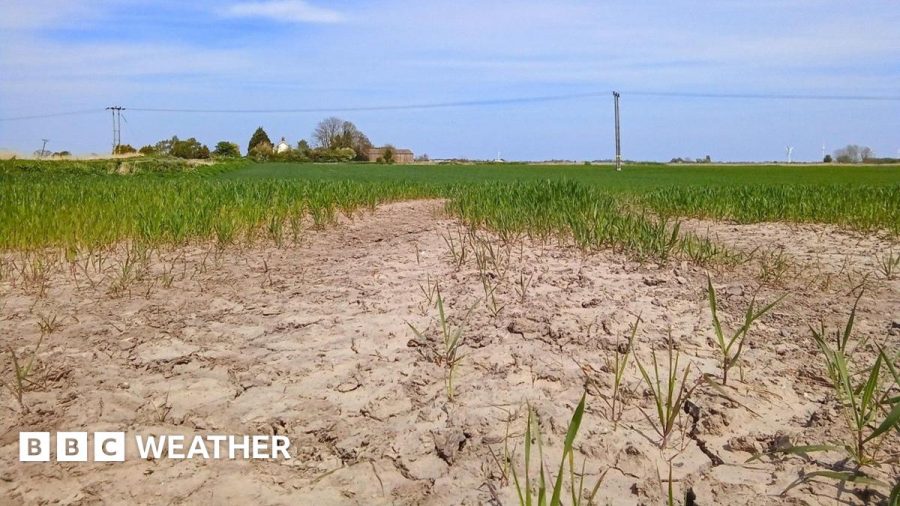
Concerns Rise Over Potential Drought in the UK
As the UK transitions into summer, concerns are mounting regarding the possibility of another drought. Following an unusually dry April, experts warn that certain regions may be at risk of water shortages, prompting a closer examination of the country’s meteorological conditions.
April’s Dry Spell: A Warning Sign?
April 2023 was marked by significantly lower rainfall across various parts of the UK, raising alarm bells among climatologists and agricultural experts. According to the Met Office, many areas experienced a stark contrast to the seasonal norms, with rainfall levels plummeting to as low as 40% of average in some regions.
The Impact of Dry Weather
The ramifications of a dry April can be extensive. Water resources, particularly in agricultural sectors, are closely tied to weather patterns. Farmers rely on consistent rainfall to nourish crops and sustain livestock. Consequently, a prolonged dry spell could lead to reduced yields and increased prices for consumers.
Expert Insights from Sarah Keith-Lucas
Sarah Keith-Lucas, a prominent climate scientist, emphasizes the importance of monitoring weather patterns closely. “Historically, dry spells in spring can lead to drought conditions in summer if they persist,” she explains. “The lack of precipitation not only affects agriculture but also puts pressure on water supplies for households and industries alike.”
Regional Variations and Vulnerabilities
Not all areas of the UK are equally vulnerable to drought conditions. Regions such as East Anglia and the Southeast, which typically experience less rainfall, are at heightened risk. In contrast, the West and Northern regions, which generally receive more precipitation, may fare better.
Below are some regions that could face challenges if dry conditions continue:
- East Anglia: Known for its flat landscapes and agricultural output, this region is particularly sensitive to changes in rainfall.
- Southeast England: Urban areas here depend heavily on consistent water supplies, making them vulnerable to drought.
- Midlands: A mix of urban and rural settings, the Midlands could face significant strain on resources.
Looking Ahead: What to Expect
As summer approaches, meteorologists are keeping a close eye on weather forecasts and long-term climate models. Predictions indicate that if current trends continue, the UK could experience a summer characterized by higher temperatures and reduced rainfall.
Government and Community Responses
In light of these concerns, local governments and environmental agencies are urged to prepare for potential water shortages. This includes implementing water conservation measures and educating the public about responsible water usage.
Public Awareness and Preparedness
Community awareness is vital in mitigating the effects of drought. Residents are encouraged to adopt water-saving practices such as:
- Collecting rainwater for gardening.
- Using drought-resistant plants in landscaping.
- Being mindful of water usage during peak hours.
Conclusion: A Call for Vigilance
As we move further into the summer months, the situation remains fluid. With climate change contributing to unpredictable weather patterns, it is critical for both individuals and communities to stay informed and prepared for the possibility of drought. By understanding the implications of a dry spring, the UK can better navigate the challenges that lie ahead.