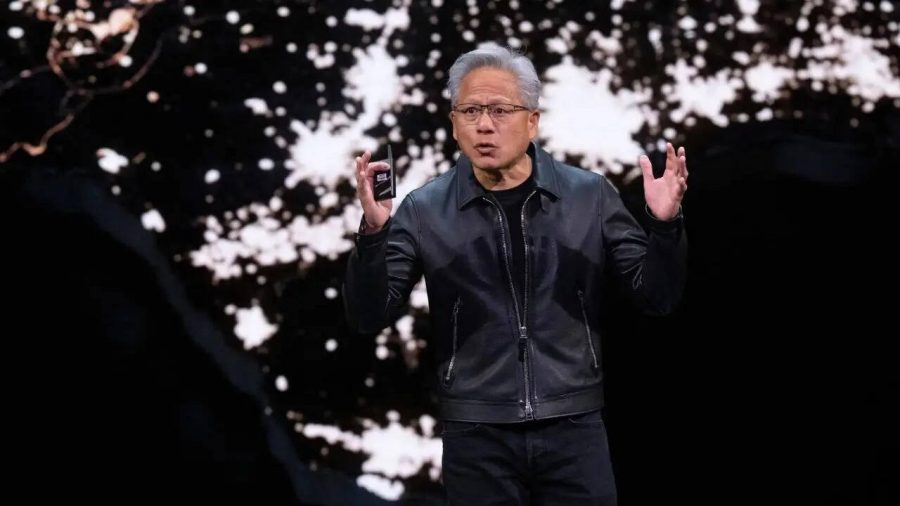
Nvidia CEO Jensen Huang recently made headlines by declaring that artificial intelligence (AI) has created over 500,000 jobs and is significantly boosting economic growth across various sectors. His remarks come amid a growing debate over the impact of AI on employment and the economy, suggesting that the technology may play a pivotal role in revitalizing American manufacturing and fostering the emergence of new industries.
The Economic Potential of AI
Huang’s assertion is underpinned by a broader analysis of the job market, which indicates that companies integrating AI into their operations are experiencing substantial growth. According to Huang, AI is not just a tool for efficiency; it is a catalyst for innovation that can potentially add trillions of dollars to the U.S. economy.
AI as a Job Creator
In his recent statements, Huang pointed out that the rapid adoption of AI technologies has resulted in the creation of over half a million new jobs. These positions span various industries, from technology and manufacturing to healthcare and finance. This job creation is particularly significant as it comes at a time when many are concerned about the potential for AI to displace workers.
- Manufacturing Revitalization: Huang believes that AI can breathe new life into the U.S. manufacturing sector, which has faced challenges in recent decades. By enhancing productivity and enabling smarter production processes, AI can make American factories more competitive globally.
- New Industries: The CEO envisions AI fostering entirely new industries that could emerge as technology continues to evolve. These industries, he argues, will not only create jobs but also drive innovation and economic growth.
- Trillions in Economic Contribution: Huang estimates that the wide-scale implementation of AI technologies could contribute trillions of dollars to the economy, further solidifying the importance of investing in AI development and infrastructure.
Addressing Job Displacement Concerns
While Huang is optimistic about the job-creating potential of AI, he also acknowledges the reality of job displacement. As machines and algorithms take on tasks traditionally performed by humans, there is a growing concern about what this shift means for workers. Huang emphasizes that adaptation is crucial for navigating the transformative impact of AI on the workforce.
“It’s essential that we focus on upskilling and reskilling our workforce to meet the demands of a changing job market,” Huang remarked. He believes that educational institutions, businesses, and government entities must collaborate to ensure that workers are prepared for the new opportunities that AI will create.
The Path Forward
As AI continues to evolve and integrate into various aspects of business and everyday life, Huang’s insights serve as a reminder of the technology’s potential benefits. The challenge lies in balancing the advantages of automation with the need to support workers impacted by these changes.
In conclusion, Nvidia’s CEO remains hopeful about AI’s role in shaping the future of work and the economy. By fostering innovation and adapting to the changing landscape, Huang believes that society can harness AI’s full potential while mitigating its challenges.