Mali’s Security Crisis Deepens
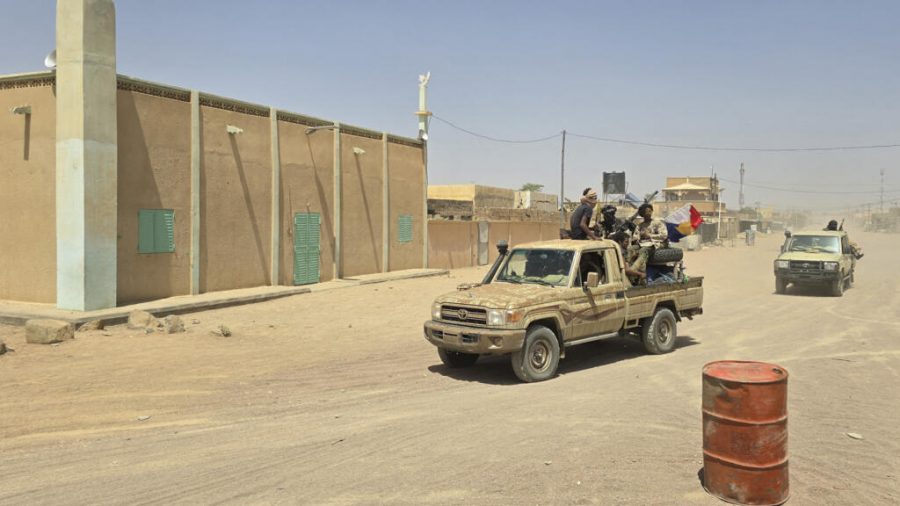
Mali is grappling with its most significant security challenge in years as a fragile alliance between jihadist fighters and Tuareg separatists intensifies. Coordinated attacks have surged, and a blockade around the capital city of Bamako is tightening, placing immense pressure on the country’s military rulers.
The Emergence of a Common Enemy
The current turmoil in Mali reflects a troubling collaboration between two historically antagonistic groups. On one side are the jihadist factions, motivated by an extremist interpretation of Islam and seeking to impose Sharia law. On the other are the Tuareg separatists, who have long sought greater autonomy for their northern homeland.
Despite their differing goals, the two factions have found a common enemy in the Malian government and its military forces. This unusual partnership has led to a series of coordinated attacks across the country, raising alarms about the future stability of the region.
Increased Attacks and Blockades
Recent weeks have witnessed a notable uptick in violence, with both groups launching simultaneous offensives that have caught the Malian military off guard. The assaults have not only targeted military installations but have also resulted in civilian casualties, deepening the humanitarian crisis in the region.
As the attacks continue, the blockade around Bamako has become increasingly severe. Access to essential supplies is dwindling, and residents are beginning to feel the impact on their daily lives. Food prices are rising, and the fear of violence has turned the capital into a city on edge.
The Military Rulers Under Pressure
The military government, which came to power following a coup in 2020, is now facing unprecedented challenges. Struggling to maintain control and ensure the safety of its citizens, the junta is under immense pressure to demonstrate effectiveness in countering the growing threat from these extremist groups.
- Loss of territory: The ongoing conflict has resulted in the loss of significant territory to both the jihadists and separatists.
- International concern: The situation has drawn the attention of international bodies, with calls for renewed peacekeeping efforts.
- Humanitarian crisis: The blockade and violence have exacerbated an already dire humanitarian situation, with thousands in need of aid.
Questions Surrounding the Alliance
While the jihadist-separatist alliance presents a formidable challenge to the Malian government, questions arise regarding its long-term viability. The two groups, while united against a common enemy, have fundamentally different objectives that could lead to friction down the line.
Jihadist groups, driven by an ideological agenda, may find the Tuareg’s calls for autonomy at odds with their vision of a strict Islamic state. Conversely, the Tuareg separatists may ultimately seek to distance themselves from the jihadists as they aim for political recognition and negotiations with the Malian state.
A Complex Path Forward
As Mali navigates this complex and volatile landscape, the need for a comprehensive strategy that addresses the root causes of the conflict is more pressing than ever. The international community, particularly regional actors, must play an active role in mediating between the involved parties and fostering dialogue.
Ultimately, the future of Mali hinges on the ability of its leaders to forge a unified response that not only combats the immediate threats posed by these extremist factions but also paves the way for a more inclusive and stable political environment.