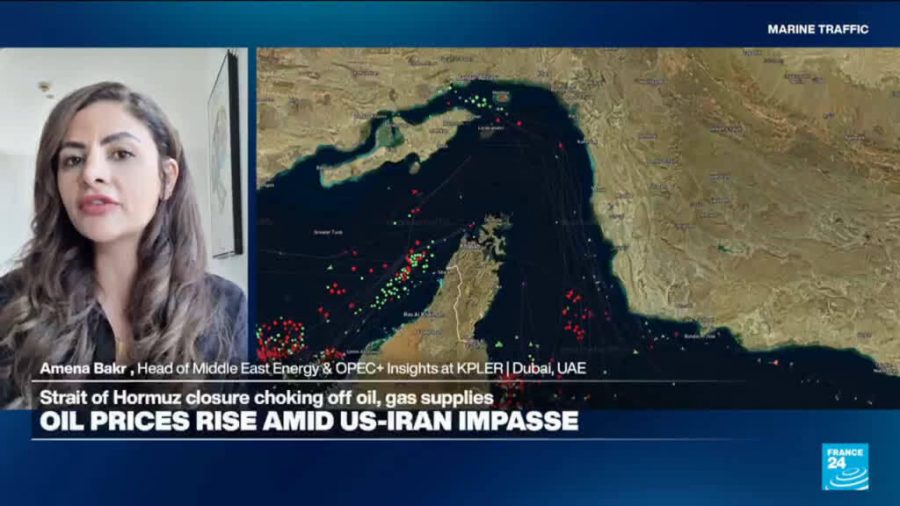
Oil Prices Surge Amid US-Iran Tensions
In recent days, the oil market has been significantly impacted by escalating tensions in the Middle East, particularly the ongoing conflict involving Iran. On Thursday, oil prices soared to a staggering four-year high, surpassing $126 per barrel, as fears of a prolonged conflict began to weigh heavily on investors’ minds. However, on Friday, prices eased slightly, but the volatility indicates that the market remains on edge.
Impact of the Middle East Conflict on Oil Supply
The surge in oil prices can largely be attributed to concerns over potential supply shortages in the event of an extended war between the US and Iran. Analysts warn that any disruption in the flow of oil from this critical region could have far-reaching implications for global energy markets. With Iran being a major oil producer, the stakes are high, and the ripple effects are already being felt worldwide.
UAE’s Unexpected Exit from OPEC
Adding to the uncertainty in the oil market, the United Arab Emirates (UAE) has announced its intention to formally exit the Organization of the Petroleum Exporting Countries (OPEC). This unexpected move raises questions about the future of the oil production agreements within the region and could disrupt the existing economic balance among member states.
The UAE’s departure from OPEC reflects a growing trend among oil-producing nations to assert more control over their production levels and pricing strategies. As one of the leading oil producers in the region, the UAE’s exit could lead to a recalibration of OPEC’s influence, potentially paving the way for a more fragmented oil market.
Insights from Industry Experts
Amena Bakr, Head of Middle East Energy & OPEC Insights at KPLER, provides crucial insights into these developments. She emphasizes that the combination of geopolitical tensions and a shift in production alliances could create a perfect storm for oil prices. “The market is reacting not just to the immediate fears of conflict, but also to structural changes within OPEC itself,” Bakr notes.
Bakr further explains that the UAE’s decision to leave OPEC could be a strategic maneuver aimed at maximizing its production capacity and revenue potential. “By stepping away from OPEC’s quota system, the UAE may seek to enhance its competitiveness in a market that is already fraught with uncertainties,” she adds.
Market Reactions and Future Outlook
The recent fluctuations in oil prices have prompted reactions from investors and analysts alike. Many are keeping a close eye on the developments in the Middle East, as well as the potential for further changes in OPEC’s structure. The possibility of increased production from non-OPEC countries may also play a role in stabilizing prices in the long run.
Despite the slight easing of prices on Friday, the overall sentiment in the market remains cautious. Ongoing tensions between the US and Iran, coupled with the UAE’s exit from OPEC, present a complex landscape for oil traders. As Bakr aptly puts it, “The coming weeks will be critical in determining how these factors influence global oil supply and pricing dynamics.”
Conclusion
In conclusion, the oil market is navigating through turbulent waters as geopolitical tensions and structural changes within OPEC create an environment of uncertainty. The recent surge in prices serves as a reminder of the fragility of global oil supply chains and the interconnectedness of regional conflicts. As developments unfold, stakeholders will need to remain vigilant and adaptable to the evolving landscape of oil markets.