Global May Day Marches: A Celebration of Workers’ Rights Worldwide
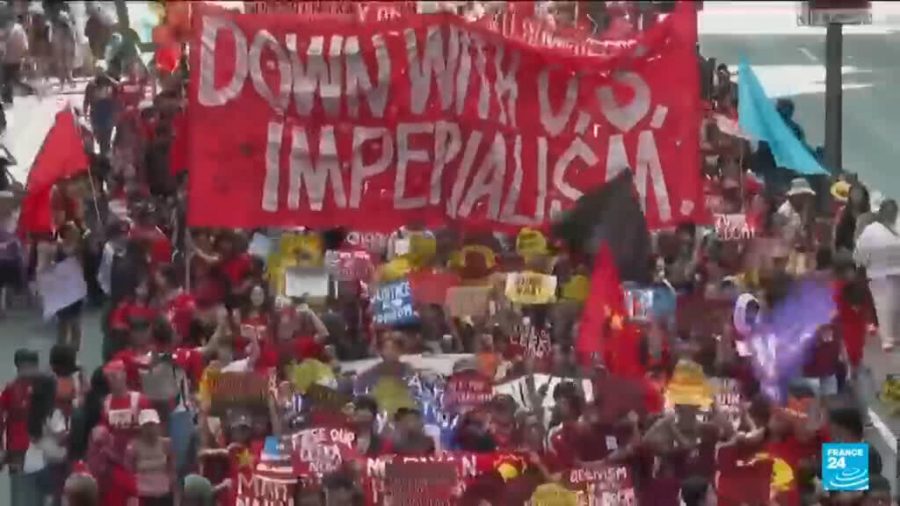
On May 1st, cities around the globe erupted in vibrant demonstrations, as workers, activists, and advocates took to the streets to celebrate International Workers’ Day. This annual event not only honors the contributions of the labor movement but also highlights ongoing struggles for workers’ rights and social justice.
Historical Significance of May Day
The origins of May Day can be traced back to the late 19th century, specifically the fight for the eight-hour workday in the United States. The Haymarket Affair in Chicago in 1886 became a pivotal moment in labor history, leading to the establishment of May 1st as a day to honor workers. Today, it serves as a global reminder of the importance of labor rights and the continued fight against exploitation.
Marches Across the Globe
From New York to Paris, and from Tokyo to Johannesburg, May Day marches showcased a diverse tapestry of voices united in their pursuit of dignity and justice. Here are some highlights from around the world:
- New York City, USA: Thousands gathered in Union Square, where speakers from various labor unions emphasized the need for higher wages and better working conditions. The atmosphere was electric with chants calling for solidarity.
- Paris, France: The streets of Paris were filled with a sea of red flags as unions marched toward the Place de la République. Protesters demanded government action on pension reforms and workers’ rights, echoing the ongoing discontent with the current administration.
- Berlin, Germany: In Berlin, thousands converged at Alexanderplatz, with activists advocating for climate justice alongside workers’ rights. The intersection of these movements illustrated a growing awareness of how environmental issues impact labor.
- Tokyo, Japan: In Japan, the May Day celebrations were marked by a call for better working conditions, particularly in light of the pandemic’s impact on employment. Workers from various sectors united to push for legislative changes that protect their rights.
- Johannesburg, South Africa: Marchers in Johannesburg highlighted the challenges faced by workers in the informal economy, calling for recognition and support. The vibrant display of cultural pride underscored the diverse struggles within the labor movement.
The Role of Social Media
In an era dominated by digital communication, social media played a crucial role in mobilizing participants for May Day events. Hashtags like #MayDay2023 trended worldwide, as activists shared their experiences in real time. This connectivity not only amplified local struggles but also fostered a sense of global solidarity among workers.
Challenges Ahead
While the May Day marches celebrated achievements in labor rights, they also served as a stark reminder of the challenges that lie ahead. Issues such as wage stagnation, job insecurity, and the rise of gig work continue to threaten workers across industries. Activists emphasized the need for sustained engagement and advocacy to address these pressing concerns.
The Future of Workers’ Rights
As the world continues to evolve, the fight for workers’ rights remains as relevant as ever. May Day serves as a powerful reminder that collective action is essential in advocating for fair treatment and social justice. The unity displayed in these global marches is a testament to the enduring spirit of the labor movement and the belief that every worker deserves dignity and respect.
As the sun sets on May 1st, the energy of the marches will resonate long after the crowds have dispersed, inspiring future generations to continue the fight for a just and equitable world.