Understanding the Industrial Crisis
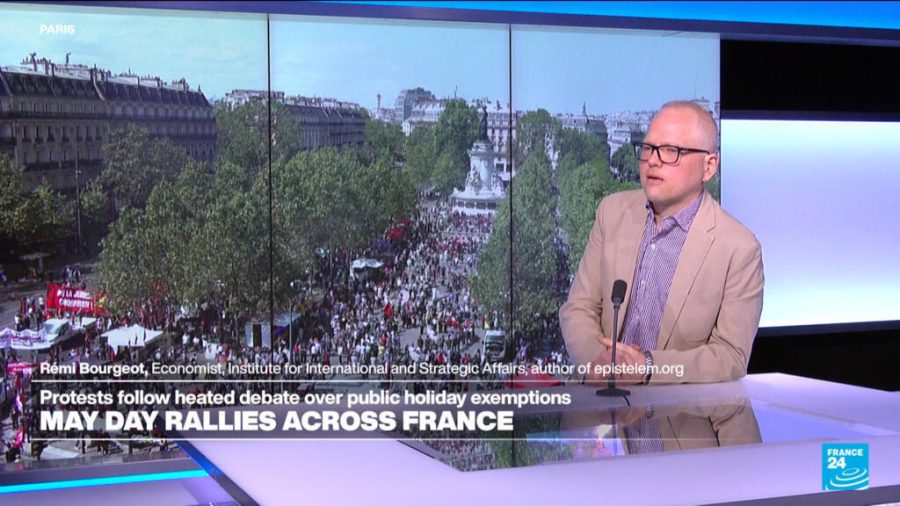
On the vibrant streets of Paris, the air is thick with the chants of demonstrators celebrating International Workers’ Day. Under the resonant slogan of “bread, peace, and freedom,” the gathering reflects a profound discontent with the current socio-economic climate. This year’s May Day protests are not just about workers’ rights; they symbolize a deeper challenge facing France and the European Union at large.
The Voices of Dissent
Amidst the sea of banners and placards, economist and researcher Rémi Bourgeot, who is affiliated with the Institute for International and Strategic Relations (IRIS) and the founder of Epistelem.org, engages in a dialogue that transcends traditional labor issues. Bourgeot’s insights reveal an urgent need to re-evaluate the European economic model, particularly in the face of systemic issues that have led to deindustrialization and economic fragmentation.
Systemic Unraveling
Bourgeot argues that the challenges confronting Europe today are not merely the result of isolated policy decisions or labor market reforms. Instead, he posits that these issues stem from a broader, systemic unraveling of economic frameworks that have long defined the region. “There’s really an overall problem with the economic model,” he states, emphasizing that piecemeal reforms are insufficient to tackle the root causes of the current crisis.
- Deindustrialization: The gradual decline in industrial activity has led to job losses and economic stagnation in various sectors.
- Bureaucratic Inertia: Slow decision-making processes within government and institutions hinder necessary reforms.
- Technological Decline: A lack of innovation and adaptation to new technologies has left many industries vulnerable.
A Perfect Storm
The situation is exacerbated by the ongoing energy crisis, geopolitical instability, and fragile supply chains, which together create a perfect storm for economic instability. Bourgeot highlights the interconnected nature of these issues, suggesting that Europe’s response must be comprehensive and forward-thinking, rather than reactionary and limited in scope.
A Call for Comprehensive Reform
As protesters fill the streets, Bourgeot’s message resonates with a growing number of individuals who feel that their voices are not being heard in the face of overwhelming challenges. He calls for a reevaluation of the economic strategies employed by both France and the EU, urging policymakers to consider holistic approaches that not only address the immediate symptoms of discontent but also lay the groundwork for sustainable development.
The Future of Europe’s Economic Model
The discussions surrounding May Day this year highlight a critical juncture for Europe. With the foundations of its economic model being questioned, the EU faces the daunting task of redefining its approach to industrial policy. As demonstrators march under the banners of their forebears, the demand for change is not merely a nostalgic remembrance of past struggles but a clarion call for a new vision of economic resilience and social equity.
Conclusion
As the industrial crisis continues to unfold, the implications for France and the wider European Union are profound. The urgency for comprehensive reform is clear, and the voices of the people serve as a reminder that the time for change is now. The future of the EU’s economic landscape hinges on its ability to respond to these challenges with innovative solutions that prioritize both economic stability and social justice.