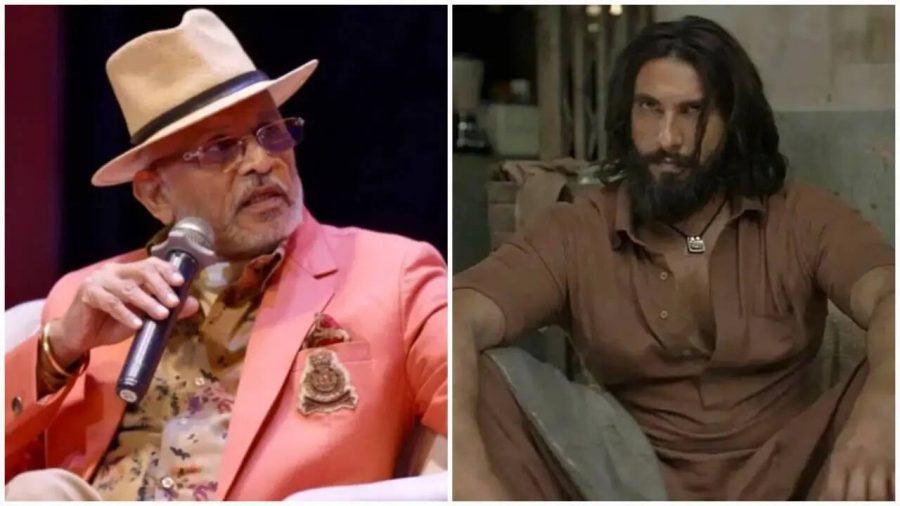
Annu Kapoor Advocates for ‘Dhurandhar’ Amidst Controversy
In a recent interview, veteran actor Annu Kapoor addressed the swirling controversy surrounding the film ‘Dhurandhar,’ which has come under fire for allegedly distorting facts and timelines to align with a specific political ideology. Kapoor, known for his outspoken views, emphasized that propaganda in cinema is not a new phenomenon but has been an integral part of the film industry for decades.
The Debate Over Political Narratives in Cinema
The film industry has always been a reflection of the socio-political landscape, often sparking debates over its role in shaping public perceptions. ‘Dhurandhar,’ a film that has generated significant discussion, finds itself at the heart of this ongoing dialogue. Critics argue that the film’s portrayal of historical events has been manipulated, raising concerns about the integrity of its narrative.
Kapoor’s comments came as a response to these criticisms, reinforcing the idea that cinema has long served as a vehicle for political expression. He remarked, “Propaganda in cinema is nothing new; it has existed for as long as films have been made. Artists often use their platform to convey messages that resonate with their beliefs or ideologies.”
Understanding the Role of Outsiders in the Industry
In his analysis, Kapoor pointed out a significant trend in the film industry, noting that many outsiders have made substantial contributions to Bollywood. He stated, “The industry’s landscape has changed, with creative voices from various backgrounds coming in and making their mark. This influx of talent has led to a diverse range of stories being told, but it has also sparked debates about authenticity and representation.”
Kapoor believes that while these outsiders bring fresh perspectives, it is essential to critically evaluate the narratives they present. “Every filmmaker has a lens through which they view the world, and sometimes, that lens may not align with historical accuracy,” he added.
The Importance of Artistic Freedom
Despite the criticisms, Kapoor staunchly defends the right of filmmakers to express their viewpoints. He argues that imposing strict guidelines on artistic expression could stifle creativity and limit the diversity of stories told in cinema. “Art should provoke thought and encourage dialogue, even if it means stepping into controversial territory,” he said.
Kapoor’s stance resonates with many artists who feel that the industry should embrace a wider spectrum of narratives, even those that challenge mainstream ideologies. He advocates for a balanced approach, where films can be both entertaining and thought-provoking without being shackled by political correctness.
The Future of Storytelling in Indian Cinema
As the debate surrounding ‘Dhurandhar’ continues, Kapoor’s insights shed light on the broader implications for Indian cinema. The industry stands at a crossroads, where storytelling must evolve to reflect contemporary realities while respecting historical truths. Artists and filmmakers are called upon to navigate these complexities skillfully.
In conclusion, Annu Kapoor’s support for ‘Dhurandhar’ amidst its controversies highlights the intricate relationship between cinema, politics, and public perception. As the film industry continues to grapple with these challenges, the voices of seasoned actors like Kapoor will be crucial in shaping the narrative landscape of Indian cinema.