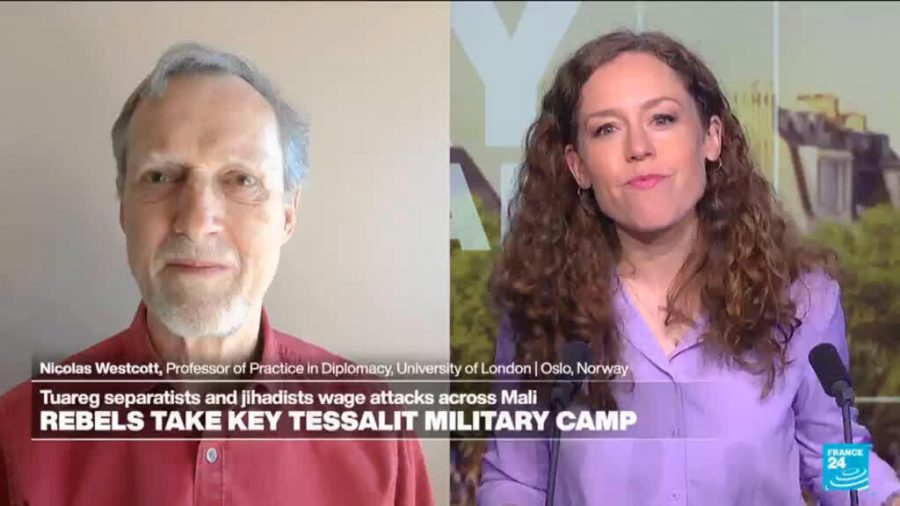
Mali is witnessing a troubling escalation in violence as Tuareg separatists and jihadist groups join forces to challenge the ruling junta. This alarming collaboration has resulted in significant territorial gains for the rebels, who recently seized control of a vital military stronghold in the north, further complicating an already precarious security landscape.
Recent Developments in Northern Mali
On Friday, the Malian army, alongside Russian mercenary allies, suffered a critical defeat when armed rebels captured a key military base in the north. This loss not only signifies a tactical blow to the military but also underscores the increasing boldness of various insurgent factions operating in the region. With both Tuareg separatists and jihadists working in concert, the situation has become increasingly dire for the Malian government.
Insurgents and Their Objectives
The insurgents, including factions linked to Al Qaeda, have made their intentions clear, calling for a widespread uprising among Malians against the military-led government. Their aim is to establish a governance system grounded in Sharia law, which further complicates the socio-political dynamics in a nation already grappling with ethnic tensions and economic hardship.
Impact on the Civilian Population
The resurgence of violence and instability has had a profound impact on the civilian population. Thousands of Malians have been displaced due to ongoing clashes, and the fear of further escalation looms large. Humanitarian organizations are struggling to provide assistance as access to affected areas becomes increasingly restricted.
Expert Analysis
Professor Nicolas Westcott, a specialist in diplomacy at the University of London, provides critical insights into the evolving situation in Mali. He emphasizes that the recent collaboration between Tuareg separatists and jihadist groups marks a significant shift in the conflict’s dynamics. “This alliance is not just a tactical maneuver; it reflects deeper grievances among various factions within Malian society,” Westcott explains.
- Historical Context: The Tuareg population has long sought greater autonomy and recognition, leading to ongoing unrest in the northern regions of Mali.
- Jihadist Influence: The presence of jihadist groups has exacerbated the conflict, complicating peace efforts and contributing to a cycle of violence.
- Regional Implications: The instability in Mali poses risks beyond its borders, potentially affecting neighboring countries and regional security.
The Way Forward
As the situation in Mali continues to unfold, the international community watches closely. Calls for dialogue and reconciliation have been made, but the path to peace remains fraught with challenges. The Malian government must navigate complex political landscapes while addressing the urgent needs of its citizens.
Conclusion
The recent events in Mali serve as a stark reminder of the fragility of peace in regions plagued by conflict. As Tuareg separatists and jihadists forge an unprecedented alliance, the stakes are higher than ever for the Malian state and its people. The international community must engage actively to support a sustainable resolution to this crisis, ensuring that the voices of all Malians are heard and respected.