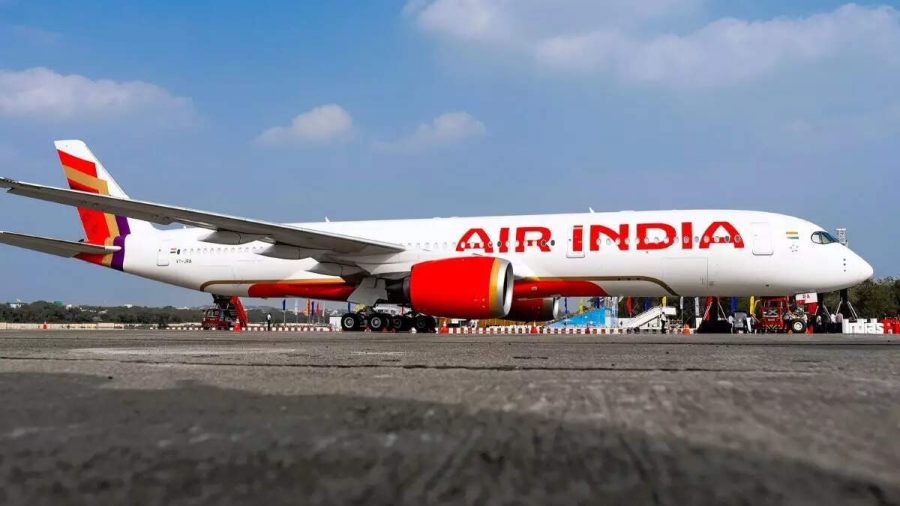
Air India Faces Flight Reductions Amid Economic Pressure
In a significant move that underscores the challenging landscape of the aviation sector, Air India has announced it will be cutting nearly 100 flights by July. This decision comes in response to soaring jet fuel prices and restrictive airspace regulations, which have rendered many international routes unprofitable.
The Impact of Rising Fuel Prices
Fuel costs have long been a critical factor for airlines, and recent global oil price shocks have put immense pressure on Air India’s financial stability. The airline’s CEO, Campbell Wilson, stated that the soaring prices of jet fuel have made it increasingly difficult to sustain operations without incurring significant losses.
- Air India has been struggling with substantial financial deficits.
- The airline is now forced to reassess its flight routes.
- International routes, in particular, are becoming less viable.
Airspace Restrictions Compounding Challenges
In addition to rising fuel costs, Air India is grappling with airspace restrictions that limit its operational capabilities. These restrictions not only hinder route flexibility but also increase operational costs, further straining the airline’s resources. As countries navigate geopolitical tensions and prioritize national security, airlines like Air India find themselves caught in a web of complexities.
Financial Crisis Deepens
Already facing significant losses, Air India’s decision to cut flights represents a deepening crisis for the carrier. The Indian aviation market has been characterized by volatility, with various airlines struggling to remain profitable amidst fluctuating demand and rising operational costs. For Air India, these challenges have prompted a reevaluation of its business strategy.
Looking Ahead
As Air India navigates these turbulent waters, the airline is likely to focus on restructuring its operations and exploring cost-cutting measures. The reduction of flights is a temporary solution to a much larger problem, and the airline’s long-term viability will depend on how effectively it adapts to the changing landscape of the aviation industry.
Industry analysts suggest that Air India may also need to consider enhancing its fuel efficiency and exploring partnerships that could help mitigate costs. Additionally, as the global aviation market gradually recovers from the impacts of the pandemic, there is potential for growth, but only if airlines can manage their operational costs effectively.
Conclusion
In conclusion, Air India’s decision to cut nearly 100 flights reflects the broader challenges facing the aviation industry, where soaring jet fuel prices and airspace restrictions are making it increasingly difficult for airlines to operate profitably. As the situation evolves, the focus remains on how airlines like Air India will adapt to survive in a rapidly changing environment.