Sewage Crisis Threatens Underwater Forests Along UK Coast
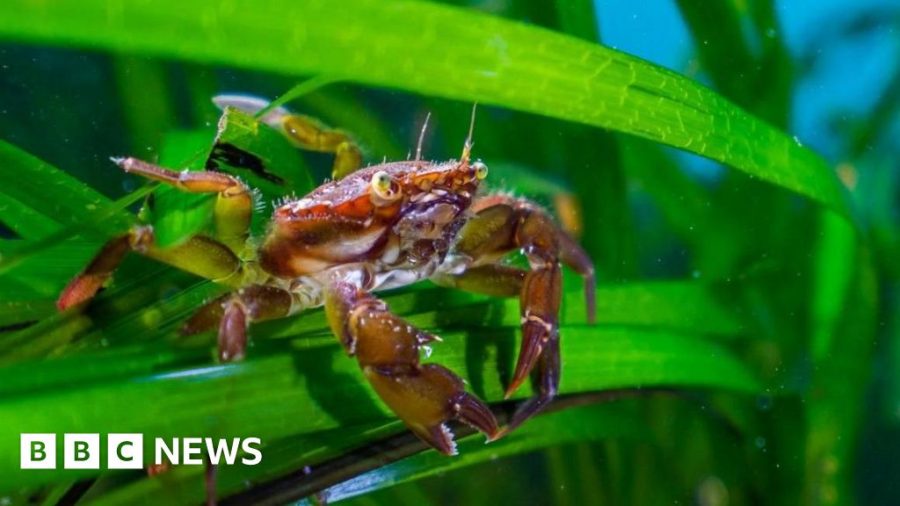
Recent scientific studies have revealed a disturbing trend along the United Kingdom’s coastline: sewage pollution is having a detrimental impact on vital underwater ecosystems, particularly seagrass meadows. These underwater forests, which play a crucial role in maintaining marine biodiversity, are experiencing significant declines in small invertebrate populations, such as crabs, due to sewage contamination.
Importance of Seagrass Meadows
Seagrass meadows are often referred to as the “lungs of the ocean” because of their ability to produce oxygen and absorb carbon dioxide. They provide essential habitats for a variety of marine life, including fish, shrimp, and crabs, while also contributing to coastal protection by stabilizing sediments. However, researchers have now found that these critical ecosystems are being compromised by increasing levels of sewage discharge.
The Findings
A recent study conducted by marine biologists examined several seagrass meadows along the UK coast that had been subjected to sewage pollution. The researchers discovered that these affected areas had significantly fewer small invertebrates than healthier seagrass meadows. The study indicated that the presence of sewage not only reduces the biodiversity of these ecosystems but also disrupts their overall functioning.
- Small invertebrates, such as crabs and amphipods, were found to be particularly vulnerable to the impacts of sewage.
- These organisms are crucial for maintaining the health of seagrass meadows, as they contribute to nutrient cycling and the food web.
- In some areas, the reduction in invertebrate populations was as high as 70% compared to unaffected meadows.
Impact on Marine Life and Ecosystems
The decline of small invertebrate populations has far-reaching consequences for marine ecosystems. Invertebrates serve as a primary food source for larger marine animals, including fish and birds. As their numbers dwindle, the entire food web faces a threat, potentially leading to declines in fish populations that are vital for both marine biodiversity and local fisheries.
Public Health Concerns
In addition to ecological concerns, sewage pollution poses significant public health risks. Contaminated water can lead to harmful algal blooms and the spread of pathogens that affect both human health and marine life. The growing evidence of sewage’s impact on seagrass meadows underscores the urgent need for improved wastewater management practices to protect both ecosystems and public health.
Actions Needed
Addressing the issue of sewage pollution requires concerted efforts from policymakers, environmental organizations, and local communities. Some critical actions include:
- Improving wastewater treatment: Upgrading treatment facilities to prevent sewage overflow and enhance filtration processes can significantly reduce pollution.
- Implementing stricter regulations: Enforcing stricter regulations on sewage discharge can help protect fragile marine ecosystems.
- Raising public awareness: Educating the public about the effects of sewage on marine life can foster community engagement and support for conservation efforts.
Conclusion
The alarming findings regarding sewage’s impact on seagrass meadows highlight a pressing environmental crisis along the UK coast. Without immediate action, these vital underwater forests, along with their rich biodiversity, may continue to decline, leading to irreversible damage to marine ecosystems. It is imperative that stakeholders come together to address this issue, ensuring the protection of both marine life and public health for future generations.