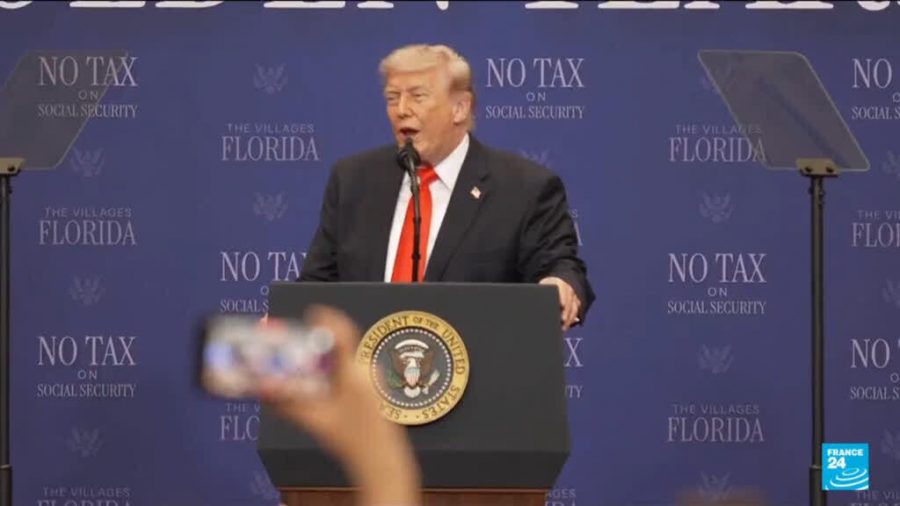
Trump Dismisses Iran’s Proposal for Peace Talks
In a significant escalation of rhetoric, former President Donald Trump expressed dissatisfaction on Friday with Iran’s recent offer to engage in peace negotiations. This statement comes amidst increasing tensions between the United States and Iran, as both nations find themselves at an impasse regarding their long-standing conflicts.
The Context of the Current Standoff
The diplomatic relations between the U.S. and Iran have been strained for years, marked by sanctions, military confrontations, and hostile exchanges. Recently, a fragile ceasefire has held for three weeks, but the situation remains precarious. Trump’s comments indicate a reluctance to engage fully with Iran’s proposals, which were aimed at de-escalating the ongoing tensions.
Iran’s Reaction to the U.S. Rejection
In response to Trump’s remarks, a senior Iranian official warned that renewed conflict between the two nations is now “likely.” This warning underscores the fragile nature of the ceasefire and raises concerns about a potential return to hostilities. The official’s comments reflect a growing frustration within Iran regarding the U.S. stance and their perceived unwillingness to pursue diplomatic avenues.
What Does This Mean for U.S.-Iran Relations?
The refusal of the U.S. to accept Iran’s offer for negotiations could have serious implications for regional stability. Both countries have a history of escalating tensions quickly, and the current deadlock could serve as a precursor to increased military actions. The situation is particularly concerning for neighboring countries and global allies who fear that conflict could spill over into broader regional unrest.
The Fragile Ceasefire
As it stands, the ceasefire that has been in effect for the past three weeks offers a temporary reprieve, but both sides remain on high alert. Military engagements have been a common occurrence in the past, and despite the ceasefire, skirmishes and aggressive posturing continue to be reported. Observers are closely monitoring the situation, aware that a breakdown in talks could lead to the resumption of hostilities.
Public Sentiment and Political Implications
Within the United States, public opinion on engagement with Iran is divided. Some advocate for a tougher stance, citing Iran’s destabilizing activities in the region, while others push for diplomatic solutions to prevent further escalation. Trump’s recent statements may reflect his political strategy as he navigates a complex landscape of national and international policy issues.
Looking Ahead
As both nations continue to grapple with their diplomatic standoff, the future remains uncertain. Analysts suggest that without constructive dialogue, the likelihood of renewed conflict increases. The international community is urged to encourage both sides to return to the negotiating table, as the stakes are high—not only for the U.S. and Iran but for global security as a whole.
Conclusion
The rejection of Iran’s peace proposal by Trump signals a troubling trend in U.S.-Iran relations, with the potential for renewed fighting looming on the horizon. As the fragile ceasefire continues, the call for diplomacy grows stronger, underscoring the need for both nations to seek a peaceful resolution to their longstanding disputes.