Parking Disputes Escalate to Violence: A Growing Concern in Indian Cities
In recent months, major urban centers in India, particularly Delhi and Bengaluru, have witnessed an alarming increase in violence stemming from parking disputes. These conflicts, often ignited by trivial issues surrounding vehicle placement, have not only resulted in assaults and injuries but have tragically led to fatalities.
The Triggering Factors
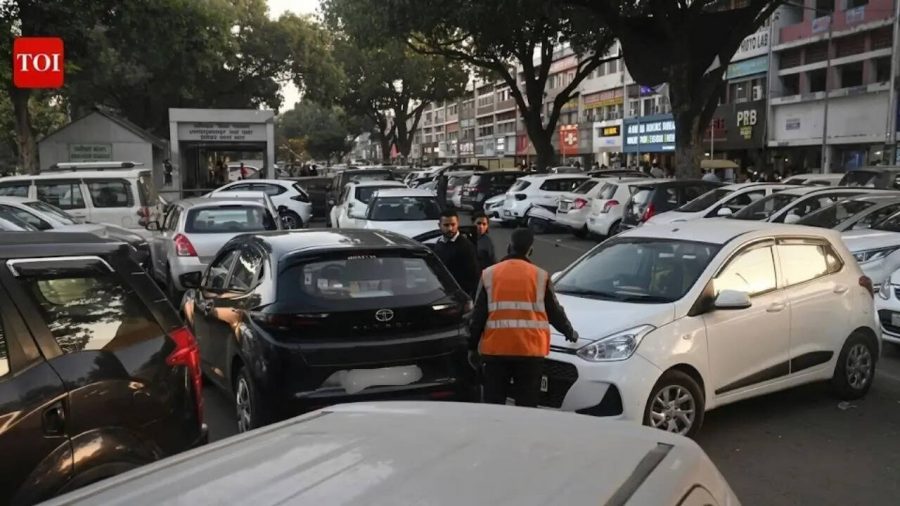
Parking disputes typically arise from the severe shortage of space in densely populated cities. As the number of vehicles continues to surge, the struggle for parking spots intensifies, leading residents to adopt increasingly confrontational attitudes. What may begin as a simple misunderstanding over a misplaced vehicle can quickly escalate into aggressive confrontations.
Recent Incidents Illustrating the Crisis
In Delhi, a recent incident involving a verbal altercation over a parking spot escalated into a physical fight, resulting in multiple injuries and one death. Witnesses reported that the situation deteriorated rapidly, with participants resorting to weapons in a matter of minutes. Similarly, Bengaluru has seen numerous cases where minor disputes have led to gunfire, leaving communities shaken and fearful.
The Rise of Confrontational Attitudes
Experts suggest that the rise in violent parking disputes can be attributed to a combination of factors, including urban overcrowding, a lack of adequate parking facilities, and changing social dynamics. As more residents vie for limited space, the pressure to secure parking has turned what were once minor inconveniences into volatile situations.
Impact on Community Safety
The ramifications of these violent encounters extend beyond individual incidents. Communities are left grappling with a sense of insecurity, as the fear of violence looms over what should be mundane activities like parking a car. Local law enforcement agencies are increasingly being called to intervene, often in situations that could have been resolved through dialogue.
Possible Solutions
Addressing this issue requires a multifaceted approach. Urban planners and city officials must prioritize the development of adequate parking infrastructure, including multi-level parking facilities and designated zones for street parking. Additionally, community engagement initiatives could foster a culture of communication, encouraging residents to resolve conflicts amicably.
- Improve Parking Infrastructure: Cities need to invest in new parking structures and better street designs.
- Conflict Resolution Programs: Implement workshops that teach residents how to handle disputes peacefully.
- Increase Law Enforcement Presence: A visible police presence can deter potential conflicts and ensure community safety.
Conclusion
As urban populations continue to grow, the challenges surrounding parking in major cities like Delhi and Bengaluru will only become more pronounced. Without immediate action to address the underlying issues, these parking disputes will likely persist, posing a significant threat to community safety and cohesion. By prioritizing infrastructure development and fostering a culture of peaceful conflict resolution, cities can work towards a future where parking disputes do not end in violence.