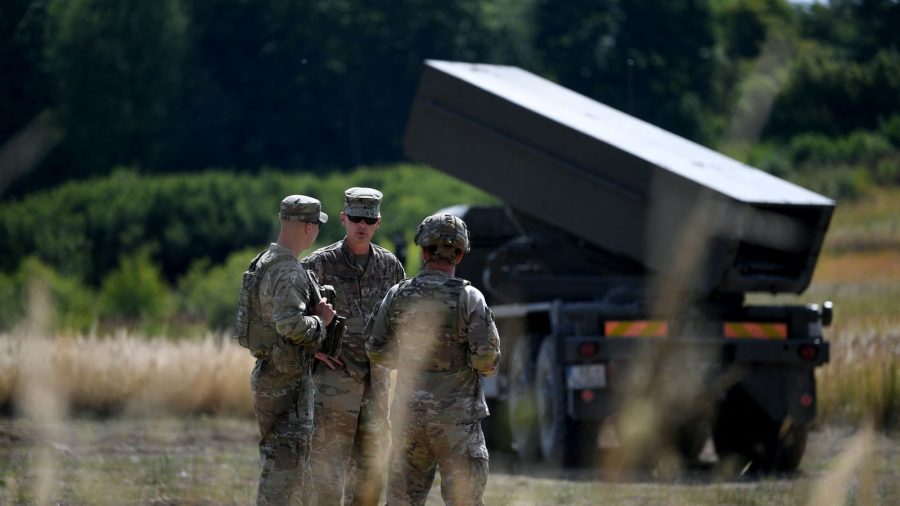
Significant Military Shift: 5,000 Troops to Leave Germany
In a pivotal decision that underscores the complexities of international military relations, the United States plans to withdraw 5,000 troops from Germany within the next six to twelve months. This move follows escalating tensions regarding Washington’s military strategy in the ongoing conflict in Iran, prompting a call for enhanced European defense capabilities.
The Context of the Withdrawal
The Pentagon’s announcement, made on a Friday, marks a significant shift in the U.S. military presence in Europe, raising questions about the future of NATO’s collective defense posture. The decision comes amid growing criticism of America’s military commitments abroad and the need for allies to bolster their own defense initiatives.
Implications for NATO and European Defense
NATO officials and German leaders have responded to the Pentagon’s announcement with a unified call for greater European self-reliance in defense matters. In recent years, there has been a growing recognition among European nations that reliance on U.S. military support may not be sustainable in the long term, particularly as global security dynamics shift.
Germany’s Defense Minister expressed concern over the impact of the troop withdrawal, stating, “This decision will force us to reassess our defense strategy and ensure that we are prepared to face potential threats independently.” Such sentiments echo a broader anxiety among European nations about maintaining security in an increasingly volatile geopolitical landscape.
Military Strategy and Relations
The dispute over the Iran war strategy has been a focal point of contention between the U.S. and its allies. Washington’s approach, which includes a heavy reliance on military solutions, has not always aligned with European perspectives that often prioritize diplomatic engagement. This divergence has led to friction within NATO, with some member states advocating for a more balanced approach to international conflicts.
The withdrawal of U.S. troops from Germany may also reflect a recalibration of military priorities as the U.S. increasingly focuses on countering threats from China and Russia. Military analysts suggest that the shift could lead to a reevaluation of NATO’s strategic goals, particularly in relation to deterrence and collective defense.
Future of U.S.-Germany Relations
As the U.S. prepares for the troop withdrawal, the long-term implications for its relationship with Germany remain to be seen. Historically, Germany has been a cornerstone of U.S. military strategy in Europe, serving as a base for operations and a hub for logistical support.
Political experts warn that this decision could strain bilateral relations, particularly if it is perceived as a withdrawal from commitment to European security. “The U.S. has long viewed its military presence in Germany as essential to both American and European security. A significant reduction could alter that perception,” noted one political analyst.
Calls for Enhanced European Defense Initiatives
In light of the impending troop withdrawal, European leaders are emphasizing the importance of investing in their own defense capabilities. A new framework for European cooperation on defense has been proposed, aiming to establish a more autonomous military presence that can operate independently of U.S. support.
- Increased funding for European defense projects
- Development of a unified European military command
- Collaborative training exercises among European nations
Such initiatives could not only strengthen Europe’s defense posture but also demonstrate a commitment to NATO’s collective security principles, ensuring that Europe remains a formidable partner in global security efforts.
Conclusion: A Turning Point for NATO
The decision to withdraw 5,000 troops from Germany could serve as a turning point for NATO, challenging the alliance to adapt to a new reality in which European nations may need to take greater responsibility for their own security. As geopolitical tensions continue to evolve, the implications of this withdrawal will likely reverberate throughout the transatlantic alliance for years to come.