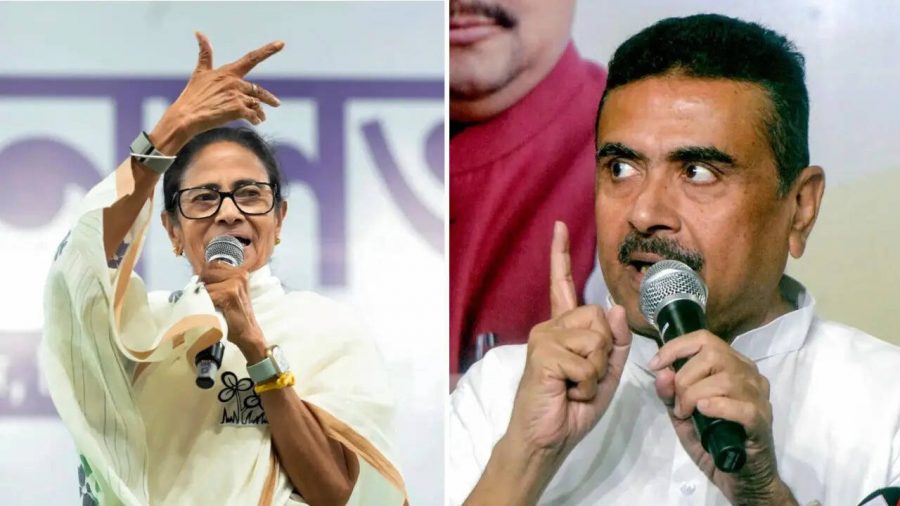
The recent assembly results in West Bengal have set the stage for a dramatic political landscape, with prominent figures like Chief Minister Mamata Banerjee and her challenger Suvendu Adhikari at the forefront. As the dust settles on the elections, the implications of these results will resonate throughout the state and beyond.
The Political Landscape of West Bengal
West Bengal has long been a battleground for political parties, with a history steeped in fierce competition and ideological clashes. The assembly elections held recently have not only tested the resilience of established leaders but also introduced new dynamics that could redefine the region’s political future.
Mamata Banerjee: The Resilient Leader
Mamata Banerjee, the current Chief Minister and leader of the Trinamool Congress (TMC), has been a dominant figure in West Bengal politics since 2011. Her governance has been marked by a mix of populist policies and strong regional identity, which has garnered her a loyal voter base. However, the recent assembly results have raised questions about her continuing influence and the challenges she faces moving forward.
- Popularity and Public Sentiment: Mamata’s policies, such as the Kanyashree scheme aimed at empowering young women, have won her accolades but also criticisms regarding implementation and transparency.
- Challenges Ahead: With the BJP making significant inroads in the state, Mamata must address rising discontent among certain voter segments while maintaining her core support.
Suvendu Adhikari: The Rising Challenger
On the other side of the political spectrum stands Suvendu Adhikari, a former TMC leader who has shifted alliances to the Bharatiya Janata Party (BJP). His rise symbolizes a greater shift in voter sentiment towards the BJP, particularly among those disillusioned with the TMC’s governance.
- Strategic Moves: Adhikari’s move to the BJP was seen as a tactical decision to leverage the party’s national influence and gain a foothold in the state.
- Voter Appeal: He has been effective in rallying support among the youth and rural populations, promising development and change.
Implications for West Bengal’s Future
The assembly results have far-reaching implications for West Bengal’s socio-political fabric. With both Mamata Banerjee and Suvendu Adhikari representing starkly different visions for the state, voters are left to grapple with the question of which path will lead to genuine progress.
The BJP’s Growing Influence
The BJP’s increasing prominence in West Bengal politics cannot be ignored. Their strategy of targeting key demographics, such as the youth and the economically disadvantaged, has yielded results that could reshape the electoral landscape in future elections.
Mamata’s Counterstrategy
In response, Mamata Banerjee will need to recalibrate her approach to governance and outreach. Engaging with grassroots movements and addressing the concerns that led to her decline in support will be essential for her political survival.
Conclusion
As the political saga in West Bengal unfolds, the focus will remain on how Mamata Banerjee and Suvendu Adhikari navigate their respective challenges. The assembly results serve as a reminder of the ever-evolving nature of politics in this vibrant state, where every election could bring about significant change.