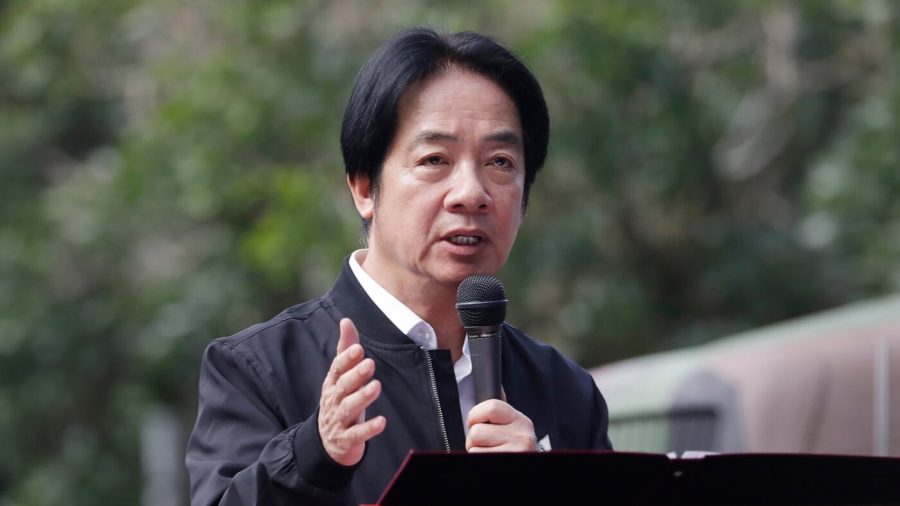
Taiwan’s Lai Lands in Eswatini Amid Tensions with China
Taiwan’s former vice president, Lai Ching-te, has arrived in the Kingdom of Eswatini, a trip that was initially delayed due to a lack of overflight clearance. This visit highlights the ongoing diplomatic tensions between Taiwan and China, with Eswatini being the only African nation that still maintains official ties with Taiwan.
Background on Eswatini’s Diplomatic Relations
Eswatini, formerly known as Swaziland, has been a long-standing ally of Taiwan, and as such, it remains the only African country without tariff-free access to China’s massive market. This unique relationship has made Eswatini a focal point in the geopolitical struggle between Taiwan and China, with China actively seeking to isolate Taiwan on the international stage.
Implications of the Visit
The visit by Lai Ching-te, who is also the chairman of Taiwan’s ruling Democratic Progressive Party, is seen as a significant gesture of solidarity between Taiwan and Eswatini. It underscores Taiwan’s commitment to maintaining its international relationships despite China’s efforts to undermine them.
Economic and Political Ramifications
The lack of tariff-free access to China’s market has significant economic implications for Eswatini. China is the world’s second-largest economy, and access to its market could provide a substantial boost to Eswatini’s economy. However, Eswatini’s commitment to its relationship with Taiwan means that it must forgo these potential economic benefits.
From a political standpoint, Eswatini’s position is equally complex. The country faces pressure from China to switch its diplomatic recognition to Beijing, which could lead to improved economic ties but would also mean abandoning its long-standing friendship with Taiwan.
International Reaction
The international community is watching the situation closely, as it reflects the broader geopolitical tensions between China and Taiwan. The United States, in particular, has been vocal in its support for Taiwan, which has further complicated the diplomatic landscape.
- Eswatini’s sovereignty: The decision to maintain ties with Taiwan is a testament to Eswatini’s sovereignty and its right to choose its own diplomatic partners.
- China’s influence: China’s efforts to persuade Eswatini to switch its diplomatic recognition underscore the extent of China’s influence in Africa and its desire to expand its geopolitical reach.
- Taiwan’s resilience: Despite being diplomatically isolated by China, Taiwan continues to maintain a network of diplomatic relationships around the world, including with Eswatini.
In conclusion, the visit by Lai Ching-te to Eswatini is a significant event that highlights the complex and often tense relationships between Taiwan, China, and the international community. As the situation continues to evolve, it remains to be seen how Eswatini will navigate its diplomatic ties with Taiwan and the potential economic benefits of engaging with China.