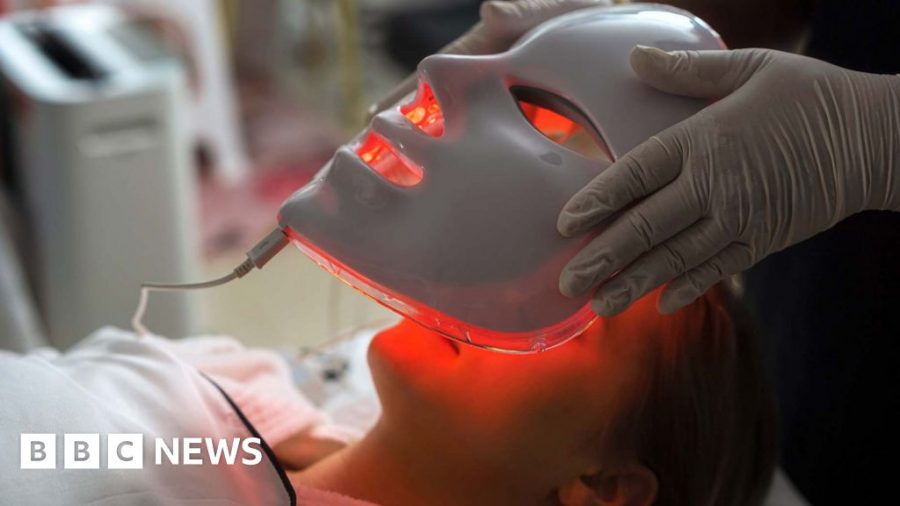
The Rise of Red Light Therapy
In recent years, red light therapy has surged in popularity, attracting attention from wellness enthusiasts and skincare aficionados alike. From LED masks designed for home use to professional treatments in clinics, the allure of red light technology has captivated many, promising everything from muscle recovery to youthful skin.
What is Red Light Therapy?
Red light therapy involves the use of low-level wavelengths of red light to promote various health benefits. This non-invasive treatment is believed to stimulate cellular processes, enhance healing, and improve skin conditions. Advocates of the therapy claim it can help with everything from reducing wrinkles to alleviating joint pain.
How Does It Work?
The science behind red light therapy revolves around its ability to penetrate the skin and affect the mitochondria, the energy-producing components of our cells. When exposed to red light, mitochondria can produce more adenosine triphosphate (ATP), the molecule responsible for energy transfer in cells. This increase in energy is thought to accelerate healing and improve cellular function.
Potential Benefits of Red Light Therapy
Proponents of red light therapy point to a range of potential benefits, including:
- Muscle Recovery: Many athletes are turning to red light therapy for its purported ability to reduce muscle soreness and enhance recovery times after intense workouts.
- Skin Rejuvenation: Skincare brands have embraced red light technology, claiming it can reduce wrinkles, improve skin tone, and promote collagen production.
- Pain Relief: Some studies suggest that red light therapy may help alleviate pain associated with arthritis and other chronic conditions.
- Wound Healing: Research indicates that red light therapy might accelerate the healing process for wounds and injuries.
The Debate: Is It Effective?
Despite the growing popularity and anecdotal evidence supporting red light therapy, its effectiveness remains a topic of debate within the medical and scientific communities. While some studies suggest positive outcomes, others call for more rigorous research to validate these claims.
Scientific Backing
Several studies have shown promising results regarding red light therapy. For instance, a review published in the journal Photomedicine and Laser Surgery found that red light therapy can be effective in treating skin conditions like acne and psoriasis. Similarly, research published in the Journal of Athletic Training indicated that athletes who used red light therapy experienced reduced muscle soreness and quicker recovery times.
Criticism and Concerns
However, critics argue that many of the studies conducted have limitations, such as small sample sizes and lack of control groups. Additionally, some experts caution that while red light therapy may offer benefits, it is not a substitute for traditional medical treatments. Patients should approach red light therapy with realistic expectations and consult healthcare professionals before starting any new treatment.
Consumer Products vs. Professional Treatments
The market is flooded with consumer products that harness red light therapy, including LED masks, handheld devices, and even beds designed for full-body exposure. While these products offer convenience and accessibility, there is a notable difference between at-home devices and professional treatments.
Professional Treatments
Professional treatments typically use more powerful red light systems and are administered by trained practitioners. These sessions can provide more intense and targeted exposure, potentially leading to more significant results. For individuals considering red light therapy, it may be beneficial to explore both options and determine what best fits their needs.
Conclusion: A Warm Glow or Genuine Benefits?
The red light therapy craze is undeniably captivating, offering a range of potential benefits that appeal to both wellness seekers and beauty enthusiasts. As the debate continues regarding its effectiveness, individuals should approach this therapy with informed skepticism, keeping in mind that while it may not be a miracle cure, it could serve as a complementary option within a broader health and wellness routine.