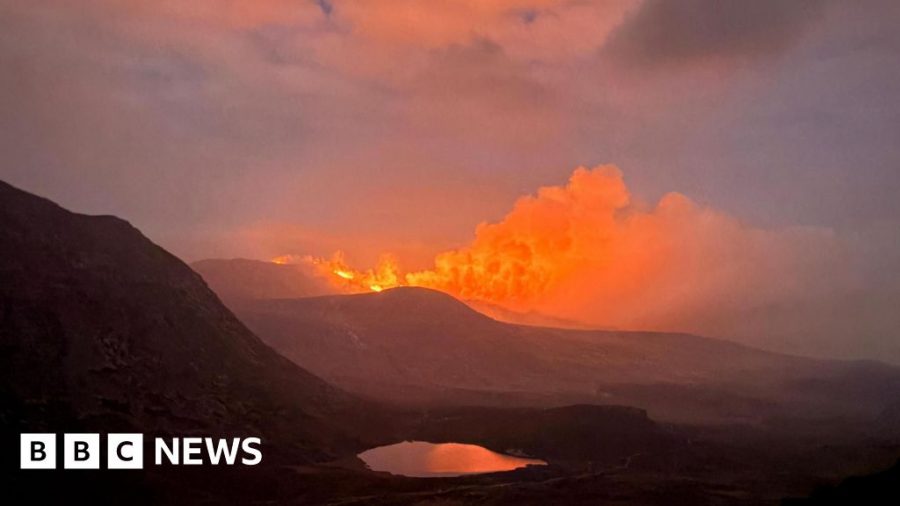
Wildfires in The Mournes: A Long-Term Environmental Crisis
The Mournes, a stunning mountain range in Northern Ireland, are facing an ecological crisis due to repeated wildfires. Experts warn that the impact of these fires could take centuries to recover from, likening the situation to “death by a thousand cuts.” As conservationists raise alarms, the urgency for action has never been clearer.
The Impact of Repeated Fires
Wildfires have become increasingly frequent in The Mournes, threatening the delicate ecosystems that thrive in this unique environment. Conservation expert Dr. Sarah Jenkins explains that the repeated nature of these fires compounds the damage, making recovery increasingly difficult. “Each fire leaves behind a scar that takes a long time to heal,” she states. “We are witnessing a slow degradation of our natural heritage.”
Why The Mournes Matter
The Mournes are not just a picturesque backdrop for hikers and tourists; they are a vital ecological area that supports a diverse range of flora and fauna. The region is home to rare plant species, unique wildlife, and important habitats that contribute to biodiversity. The loss of these elements can have a domino effect, disrupting entire ecosystems.
Current Fire Trends and Statistics
Recent statistics reveal a troubling trend in the frequency and intensity of wildfires in the region. Data shows that the number of fire incidents has increased by over 40% in the last decade alone. Factors contributing to this surge include climate change, human activity, and a lack of effective land management practices.
Community and Government Response
In light of these challenges, local communities and government agencies are beginning to take action. Fire prevention strategies are being developed, including controlled burns, improved firefighting resources, and public awareness campaigns to educate residents and visitors about the risks of wildfires.
- Controlled Burns: Implementing scheduled burns to manage vegetation and reduce fuel loads.
- Improved Resources: Allocating more funding for firefighting equipment and training.
- Public Awareness: Educational programs aimed at informing the public about fire risks and prevention methods.
The Role of Climate Change
Climate change plays a significant role in the increased incidence of wildfires. Rising temperatures and changing precipitation patterns create ideal conditions for fires to ignite and spread. Dr. Jenkins emphasizes the need for a comprehensive approach to mitigate these effects. “We must address the root causes of climate change if we are to protect our landscapes like The Mournes,” she says.
Looking Ahead: A Call to Action
As the situation in The Mournes continues to evolve, experts are urging immediate action from both the government and the community. Sustainable land management practices, enhanced firefighting capabilities, and a commitment to environmental conservation are essential for ensuring the long-term health of this cherished region.
“The Mournes are a treasure that we cannot afford to lose,” Dr. Jenkins warns. “If we don’t act now, future generations may never experience the beauty and biodiversity that these mountains have to offer.” The time for change is now, and collective efforts are needed to secure a brighter future for The Mournes.