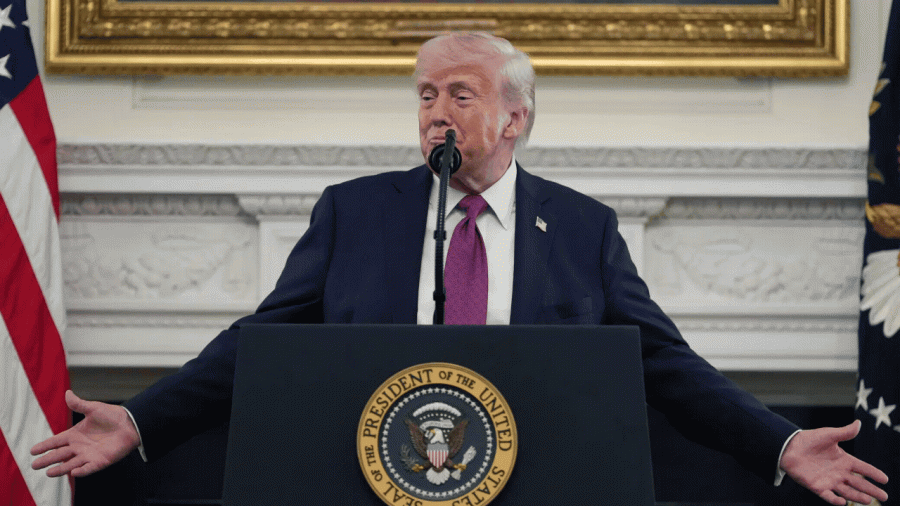
A significant development in the Middle East peace process was announced by former US President Donald Trump, as a three-week extension of the Israel-Lebanon ceasefire was confirmed. This move is seen as a major breakthrough in the efforts to establish a lasting peace between the two nations.
Background of the Conflict
The conflict between Israel and Lebanon has been ongoing for decades, with both countries having significant differences in their political, social, and economic ideologies. The ceasefire, which was initially put in place to reduce tensions and prevent further violence, has been a crucial step towards achieving a peaceful resolution.
Key Players Involved
The extension of the ceasefire is the result of intense negotiations between Israeli and Lebanese officials, facilitated by the United States. Trump’s administration has been actively involved in the peace process, with the former President himself playing a key role in bringing the two nations to the negotiating table.
Terms of the Extension
The three-week extension of the ceasefire is set to expire in late April, during which time both countries are expected to continue negotiations and work towards a permanent peace agreement. The terms of the extension include:
- Immediate cessation of hostilities between Israel and Lebanon
- Establishment of a joint committee to oversee the implementation of the ceasefire
- Commitment from both countries to continue peace talks and work towards a lasting resolution
Reaction from the International Community
The international community has welcomed the extension of the ceasefire, with many world leaders praising the efforts of the US and the two nations involved. The United Nations has also expressed its support for the peace process, urging all parties to continue working towards a peaceful resolution.
Challenges Ahead
Despite the progress made, there are still significant challenges that need to be addressed in order to achieve a lasting peace. These include:
- Addressing the root causes of the conflict, including territorial disputes and ideological differences
- Building trust between the two nations, which will require significant efforts and commitment from both sides
- Ensuring the support and cooperation of the international community, which will be crucial in maintaining the peace process