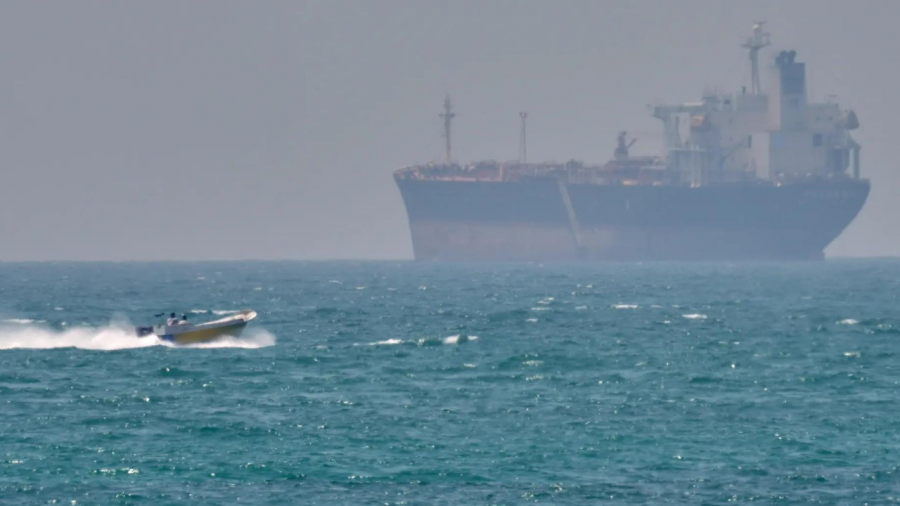
Iran’s ‘Fast-Attack Swarms’ Choke Hormuz: A New Maritime Threat Emerges
Recent incidents in the Strait of Hormuz have revealed a troubling escalation in Iran’s maritime strategy, as swarms of fast-attack boats target commercial vessels, raising alarms over the security of one of the world’s most critical oil chokepoints. Analysts warn that these operations form part of a “layered system of threats” designed to challenge international naval defenses and disrupt global energy supplies.
The Tactics: Swarming and Seizures
Iran’s Islamic Revolutionary Guard Corps (IRGC) has increasingly deployed small, agile boats to harass, intercept, and even seize commercial ships navigating the narrow waters of the Strait of Hormuz. These fast-attack vessels, often operating in coordinated groups, exploit their speed and maneuverability to overwhelm larger, slower-moving targets. Recent seizures include:
- The April 2023 capture of a Marshall Islands-flagged tanker
- Multiple incidents involving diversion of vessels to Iranian territorial waters
- Harassment of U.S. and allied naval patrols
Such tactics complicate traditional naval responses, as the sheer number of small boats makes it difficult to deter or intercept them without escalating tensions.
A Layered Threat System
Beyond fast-attack swarms, Iran’s maritime strategy incorporates multiple layers of asymmetric threats, including:
- Mine warfare: Hidden sea mines can cripple commercial shipping.
- Missile deployments: Coastal defense systems threaten naval and civilian vessels.
- Cyber operations: Disruptions to navigation and communication systems.
This multi-pronged approach forces defenders to split their focus, increasing vulnerabilities in the strategically vital waterway through which 20% of the world’s oil passes.
Global Implications
The Strait of Hormuz remains a linchpin of global energy security, and Iran’s aggressive posturing risks triggering broader conflict. The U.S. and its allies have ramped up patrols, but the evolving nature of Tehran’s tactics demands new countermeasures. Experts suggest:
- Enhanced surveillance using drones and satellite tracking
- Coordinated international naval task forces
- Diplomatic pressure to curb Iran’s provocations
Without decisive response, the risk of a miscalculation leading to a wider confrontation grows ever more likely.