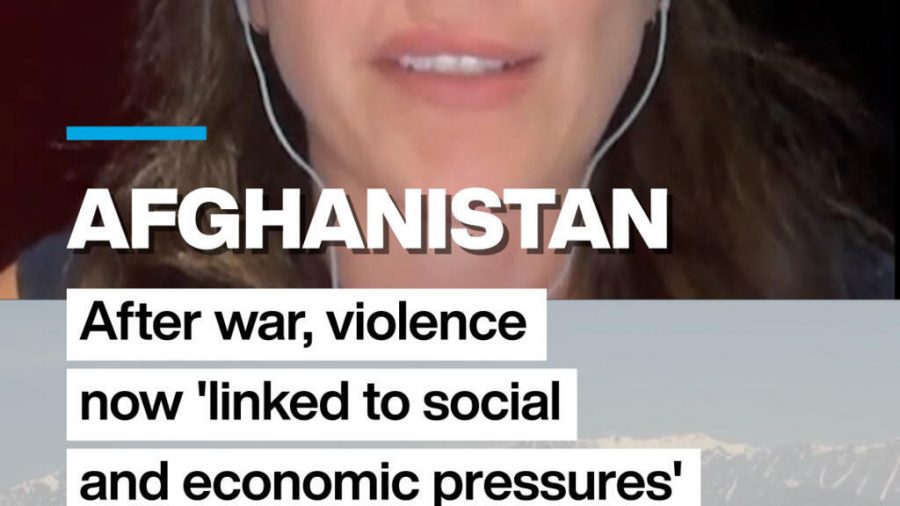
Afghanistan’s Post-War Struggles: Violence Amid Socioeconomic Turmoil
In the wake of decades of conflict, Afghanistan has faced a troubling reality where safety has not translated into prosperity. Italian video journalist Silvia Boccardi, who recently reported on the situation in Afghanistan, highlights the alarming connection between violence and the ongoing social and economic pressures faced by its citizens.
The Aftermath of War
Afghanistan, once the center of intense military operations, is now grappling with the remnants of conflict that have left deep scars on its society. While the cessation of large-scale military engagement was initially met with hope, the reality for many Afghans has turned grim. The promise of peace has been overshadowed by emerging threats fueled by dire economic conditions and social instability.
Socioeconomic Pressures Fueling Violence
Boccardi’s insights reveal that the violence plaguing Afghanistan is not merely a product of lingering hostilities but is significantly influenced by the economic landscape. High unemployment rates, poverty, and lack of access to basic services have created an environment ripe for discontent.
- Unemployment: With many industries crippled by years of war, job opportunities are scarce, leading to frustration among the youth.
- Poverty: A significant portion of the population lives below the poverty line, struggling to meet basic needs.
- Access to Services: Healthcare and education systems are severely underfunded, impacting the quality of life.
Daily Life Under Pressure
For ordinary Afghans, daily life is characterized by a struggle to survive amidst these challenges. Families face difficult choices as they navigate the complexities of a society still reeling from war. The hope for peace has been replaced by a pervasive sense of anxiety as reports of violence become more common. Boccardi emphasizes that this violence is not random; it often stems from the frustrations of people who feel trapped by their circumstances.
The Role of the International Community
The international community’s role in Afghanistan’s recovery is crucial, yet it has faced criticism for its lack of sustained engagement. While initial efforts focused on humanitarian aid and rebuilding infrastructure, there has been a noticeable decline in support as global attention shifts to other crises. This withdrawal leaves a vacuum that can be filled by extremist groups looking to exploit the vulnerabilities of the population.
Looking Ahead
As Afghanistan continues to navigate these turbulent waters, the question remains: how can the country break free from the cycle of violence linked to socioeconomic pressures? Boccardi’s report serves as a reminder that true safety cannot exist without economic stability and social cohesion. The path forward may require a concerted effort from both local leaders and the international community to address the root causes of violence rather than merely its symptoms.
Conclusion
In conclusion, the situation in Afghanistan illustrates a complex interplay between safety and prosperity. While the end of the war brought about a new chapter, it is evident that the challenges of violence, driven by socioeconomic hardships, are far from over. The resilience of the Afghan people is commendable, but without substantial support and intervention, the prospect of a peaceful future remains uncertain.