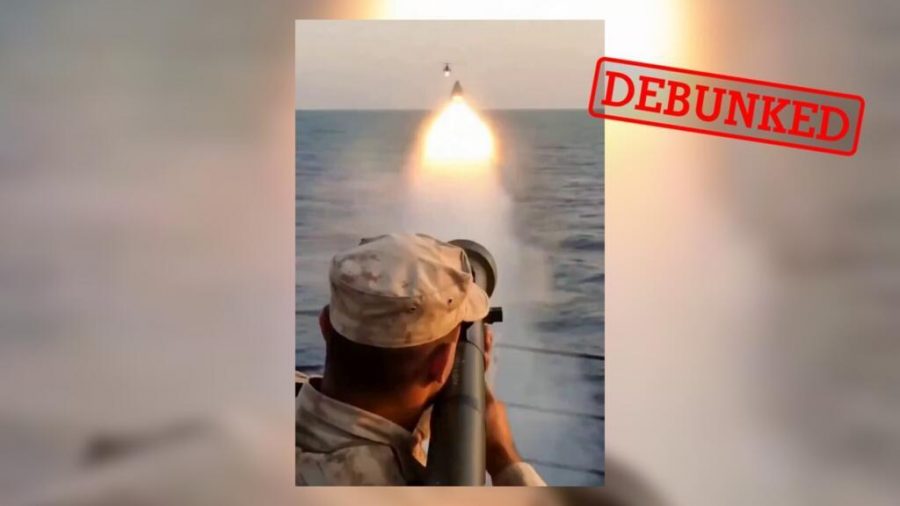
AI-Generated Video of Iran Downing US Helicopter Goes Viral
In an age where misinformation spreads faster than the truth, a new viral video claiming to depict the Iranian military downing a U.S. Apache attack helicopter has captured the attention of millions across social media platforms. However, investigations have revealed that the footage is not real but rather generated using artificial intelligence technology.
The Rise of Deepfake Technology
Deepfake technology has revolutionized the way videos are created and consumed online, allowing anyone with access to sophisticated software to manipulate images and sounds convincingly. This latest incident highlights the dangerous intersection of technology and misinformation, raising critical questions about the authenticity of visual media.
How the Video Spread
The video first surfaced on platforms like Twitter and TikTok, quickly accumulating millions of views as users shared it, believing it to be genuine footage of a military confrontation. The clip features dramatic visuals of an explosion in the sky, coupled with audio that mimics the sounds of gunfire and military communications. Such elements are designed to evoke strong emotional reactions, making it more likely for users to share without verifying its credibility.
The Role of AI in Misinformation
AI-generated content can be deceptively realistic, which poses significant challenges for fact-checkers and ordinary viewers alike. Experts warn that as AI technology continues to advance, distinguishing between authentic and fabricated content will become increasingly difficult. This situation is particularly perilous in geopolitical contexts, where misinformation can exacerbate tensions between nations.
Consequences of Misinformation
The implications of the viral video extend beyond mere online chatter. Misinformation can influence public opinion, sway political debates, and even incite real-world violence. In the case of the Iran-U.S. relationship, a fabricated video of military aggression could further strain diplomatic ties and stoke fears of conflict.
Verification and Accountability
Fact-checking organizations have been working tirelessly to combat the spread of misinformation. In this case, digital sleuths quickly identified the video as AI-generated, revealing discrepancies in visual quality and audio synchronization that would not be present in genuine footage. Such efforts are essential in maintaining the integrity of information shared online.
Community Response
The response from the online community has been mixed, with some users expressing outrage over the dangers posed by AI-generated content, while others continue to circulate the video, unaware of its fabricated nature. This division highlights the challenges faced by those aiming to promote media literacy in an era where sensationalism often trumps factual reporting.
Conclusion: The Future of Media Consumption
As technology continues to evolve, the responsibility falls on both creators and consumers to ensure that the information they share is accurate and trustworthy. The case of the AI-generated video serves as a stark reminder of the potential consequences of misinformation in the digital age. Moving forward, greater emphasis on media literacy and critical thinking will be essential in navigating a landscape where the lines between reality and fiction are increasingly blurred.