Ai Weiwei’s Stunning Tribute to Monet at MuMa du Havre
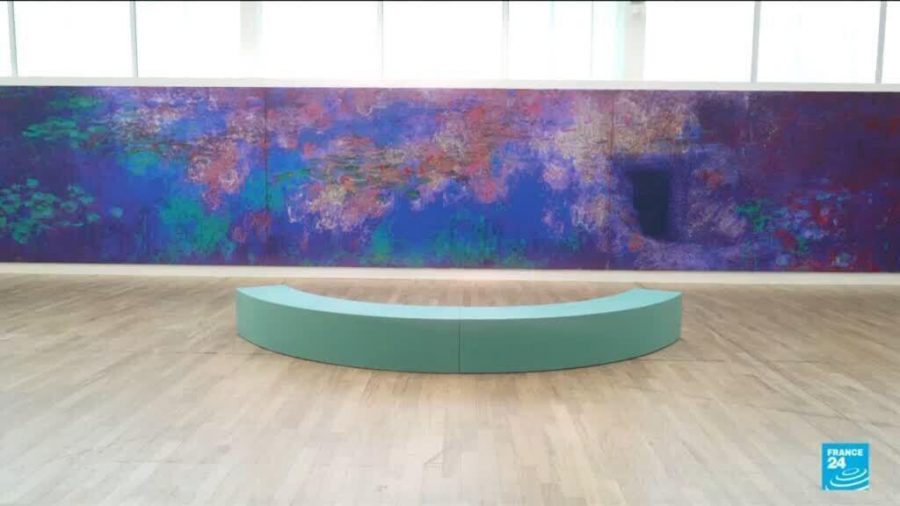
In a remarkable fusion of contemporary art and classic impressionism, renowned Chinese dissident artist Ai Weiwei has unveiled two monumental works that pay homage to Claude Monet’s iconic “Water Lilies”. Displayed at the MuMa du Havre, these vibrant pieces are constructed from an astounding 650,000 Lego bricks, a medium that not only showcases Ai’s technical ingenuity but also reflects deeper themes of exile and dissent.
A New Perspective on a Timeless Classic
Monet’s “Water Lilies” has long been celebrated for its serene beauty and innovative use of color. However, Ai Weiwei’s reinterpretation invites viewers to engage with this classic through a contemporary lens. By utilizing Lego, a symbol of childhood creativity and play, Ai juxtaposes the innocence of the medium with the weighty themes of his own life experiences.
The Artist’s Journey of Exile and Dissent
Born in Beijing in 1957, Ai Weiwei has become a global symbol of artistic resistance. His outspoken criticism of the Chinese government has led to numerous confrontations with authorities, including a lengthy period of detention and subsequent exile. This backdrop of dissent profoundly influences his work, and his Lego creations are no exception.
In these two pieces, Ai not only reinterprets Monet’s work but also embeds his personal narrative. The meticulous assembly of the Lego bricks serves as a metaphor for the painstaking process of rebuilding one’s identity after being uprooted. Each brick represents a story, a struggle, and a piece of the artist’s family history, further enhancing the emotional resonance of the artwork.
Crafting a Dialogue Through Art
The juxtaposition of Lego with Monet’s classical style generates a dialogue about the nature of art and creativity. Ai Weiwei challenges the viewer to reconsider the boundaries between high art and accessible mediums. Lego, often dismissed as a children’s toy, becomes a powerful tool for expressing complex ideas about life, loss, and the pursuit of freedom.
Community Engagement and Global Impact
The installation at MuMa du Havre also serves as a platform for community engagement. Workshops and discussions surrounding the themes of exile and artistic expression have been organized in conjunction with the exhibition, inviting audiences to explore their own connections to the concepts presented in Ai’s work.
As visitors wander through the gallery, they are not only treated to a visual spectacle but also prompted to reflect on the significance of art as a form of protest and a means of personal expression. Ai Weiwei’s work encourages a sense of solidarity among those who have experienced displacement, fostering a community of support and understanding.
A Lasting Legacy
Ai Weiwei’s Lego reinterpretation of Monet’s “Water Lilies” stands as a testament to the power of art to transcend cultural boundaries and societal constraints. It serves as a reminder that creativity can flourish even in the face of adversity, and that the stories of the marginalized can be expressed through unconventional mediums.
As the exhibition continues at MuMa du Havre, it not only celebrates the legacy of one of art history’s most beloved figures but also elevates the voices of those who seek to challenge oppressive systems through their creativity. In Ai Weiwei’s hands, Lego becomes more than just a toy; it transforms into a vehicle for dialogue, remembrance, and hope.