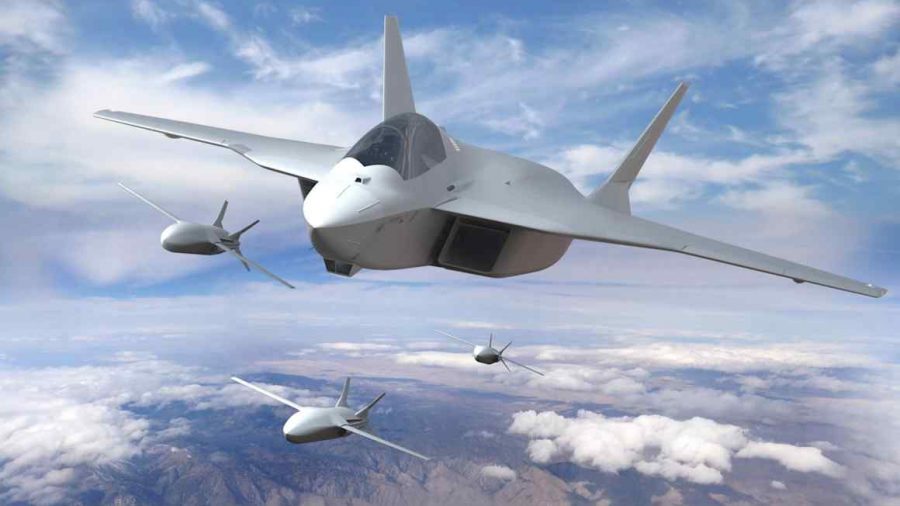
Airbus Champions German-Led Coalition for Revolutionary Fighter Jet Development
In a bold move to strengthen Europe’s defense capabilities, Airbus has announced plans to spearhead a coalition of eight prominent companies aimed at developing a cutting-edge sixth-generation fighter jet. This ambitious initiative comes in response to growing concerns over geopolitical tensions and the need for advanced military technology within Europe.
The Need for a New Fighter Jet
The current landscape of military aviation is rapidly evolving. As global threats become more sophisticated, European nations are recognizing the urgent need for a next-generation fighter jet. The existing fleet faces obsolescence, and the need for a modern aircraft that can adapt to new combat scenarios is critical. The proposed sixth-generation fighter jet aims to fill this void, offering enhanced capabilities such as advanced maneuverability, stealth features, and cutting-edge avionics.
The Coalition of Innovators
At the heart of this initiative is Airbus, which is collaborating with a diverse group of eight companies from across Europe. This coalition includes industry leaders in aerospace engineering, defense technology, and manufacturing. Each partner brings a wealth of expertise and innovation, ensuring that the development of the new fighter jet will incorporate the latest technological advancements.
- Airbus: Lead organization, specializing in aerospace design and manufacturing.
- Leonardo: Italian defense contractor known for avionics and electronic warfare systems.
- Thales: French multinational that focuses on advanced electronics and systems for defense.
- BAE Systems: UK-based firm with extensive experience in military aircraft and systems integration.
- MTU Aero Engines: German company specializing in aircraft engines and propulsion systems.
- Indra: Spanish defense and technology firm, contributing expertise in command and control systems.
- Diehl Defence: German defense contractor known for munitions and missile systems.
- Saab: Swedish aerospace and defense company, experienced in fighter jet development.
Goals and Objectives
The primary objective of this coalition is to design and produce a fighter jet that meets the specific needs of European air forces. The project aims to enhance interoperability among the nations involved, providing a unified approach to defense. Additionally, the new aircraft is expected to integrate advanced artificial intelligence, allowing for improved decision-making and operational efficiency during missions.
Challenges Ahead
While the coalition is poised to make significant strides in military aviation, several challenges lie ahead. One of the main hurdles will be securing adequate funding and government support from various European states, as defense budgets across the continent continue to face scrutiny. Furthermore, the coalition will need to navigate complex regulatory environments and coordinate among its diverse members to ensure timely and efficient development.
The Future of European Defense
The establishment of this German-led alliance marks a pivotal moment for European defense strategy. With rising global uncertainties and the need for enhanced military capabilities, the development of a sixth-generation fighter jet could serve as a cornerstone for Europe’s future defense posture. As the coalition embarks on this ambitious journey, the eyes of the world will be on them, watching how they navigate the challenges and opportunities that lie ahead.
Conclusion
The Airbus-led coalition is set to redefine the landscape of military aviation in Europe. By uniting key players in the aerospace and defense sectors, they are not only aiming to replace aging fighter jets but also to usher in a new era of technological advancement and military readiness. The success of this initiative could have far-reaching implications for Europe’s defense strategy and its role in global security.