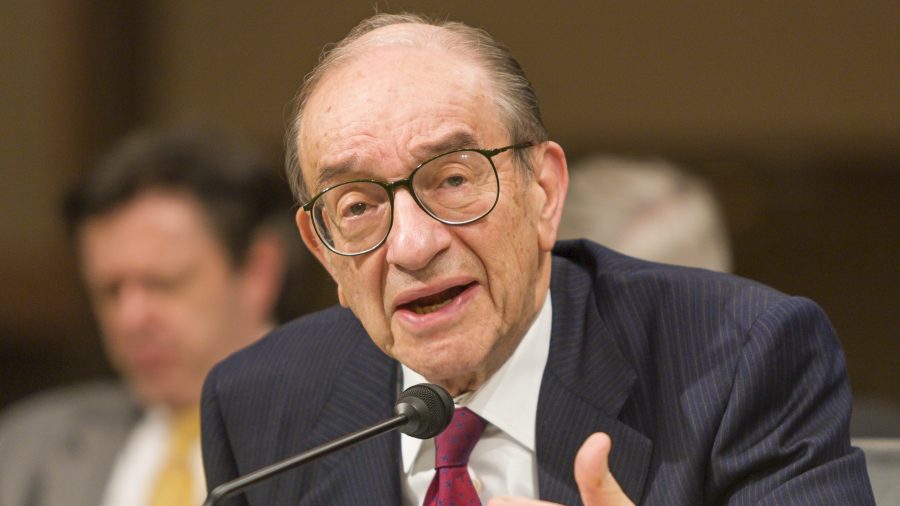
Alan Greenspan’s Early Days at the Fed
When Alan Greenspan took the helm at the Federal Reserve in August 1987, few could have predicted the storm that was about to hit the financial markets. Just two months into his tenure, the U.S. stock market experienced a catastrophic crash on October 19, 1987, a day that would come to be known as Black Monday. In the wake of this unprecedented event, Greenspan faced a monumental challenge that would ultimately shape his legacy as one of the most influential central bankers in history.
The Day the Market Fell
Black Monday saw the Dow Jones Industrial Average plummet by over 22% in a single day, erasing billions of dollars in wealth and leaving investors in a state of panic. The sudden and dramatic downturn was triggered by a combination of factors, including rising interest rates, and concerns over the U.S. trade deficit. As the market collapsed, fears of a recession loomed large, and the financial landscape appeared chaotic.
Greenspan’s Immediate Response
In the immediate aftermath of the crash, Greenspan and his team at the Federal Reserve were faced with the daunting task of restoring confidence in the markets. He took decisive action, signaling to investors that the Fed was prepared to provide liquidity to the banking system. Greenspan’s initial public statement, which emphasized the Fed’s commitment to ensuring the stability of the financial system, played a crucial role in alleviating fears among investors.
The Fed’s Role in Stabilizing the Market
Greenspan’s leadership during this crisis showcased the importance of a proactive central bank. In the days following the crash, the Fed slashed interest rates and implemented measures to ensure that banks had access to the funds they needed. This swift action helped to stabilize the financial markets, and by the end of the year, the stock market had rebounded significantly, recovering much of the losses incurred on Black Monday.
Long-term Implications
Greenspan’s handling of the Black Monday crisis not only salvaged the stock market but also set a precedent for the Federal Reserve’s role in managing economic downturns. His approach reinforced the idea that the central bank could act as a backstop during times of financial distress, a principle that would guide future Fed policies.
A Legacy Defined
As his tenure continued, Greenspan became known for his controversial policies, which included maintaining low interest rates and fostering an environment of financial deregulation. While these actions spurred economic growth during the 1990s, they also laid the groundwork for the financial crisis of 2008, leading some to question his legacy.
Reflections on Leadership
In hindsight, Greenspan’s response to Black Monday is often viewed as a defining moment in his career. His ability to navigate a financial crisis and restore confidence in the markets established him as a formidable force in economic policy. For many, his legacy is a complex tapestry of successes and failures, illustrating the challenges of central banking in an ever-evolving financial landscape.
Conclusion
Alan Greenspan’s tenure at the Federal Reserve was marked by significant events, but none impacted his legacy quite like Black Monday. The lessons learned from this crisis continue to resonate in today’s economic discussions, reminding us of the delicate balance central bankers must maintain in fostering growth while ensuring stability.