Albin Kurti’s Party Leads Kosovo Election
In a closely watched snap election held on Sunday, Prime Minister Albin Kurti’s party, the Vetëvendosje (Self-Determination), emerged as the largest political force in Kosovo. However, despite its electoral success, the party fell short of securing an outright majority, leaving it to navigate the complexities of coalition negotiations in a politically fragmented landscape.
The Election Outcome
The election results indicate that while Vetëvendosje remains popular among voters, the overall political climate in Kosovo is fraught with challenges. Kurti’s party received approximately 36% of the vote, a significant lead over its nearest rival but not sufficient to form a government without the support of other parties.
Voter Sentiment and Low Turnout
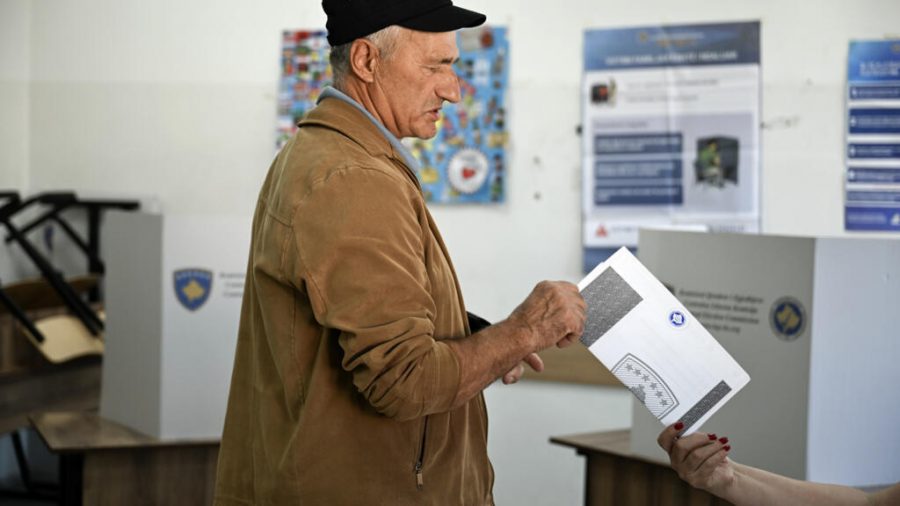
This election was characterized by a notably low voter turnout, which stood at just 45%. Analysts attribute this decline to widespread voter frustration with the political establishment, economic hardships, and the perception that many parties are not addressing the pressing issues facing ordinary Kosovars.
- Political Deadlock: The results further deepen the political deadlock that has plagued Kosovo for months, as various parties jockey for power.
- Voter Disenfranchisement: Many citizens expressed disillusionment with the electoral process, fearing that their votes would not lead to meaningful change.
Implications for Coalition Negotiations
With no party able to command a majority, Kurti’s path to governance is complicated. He will need to engage in coalition talks with other parties, which may prove to be a challenging and contentious process. Potential partners may include the Democratic Party of Kosovo (PDK) and the Alliance for the Future of Kosovo (AAK), among others, each with their own agendas and priorities.
Challenges Ahead
As Kurti prepares for coalition negotiations, he faces several hurdles:
- Policy Differences: Differences in policy priorities between Vetëvendosje and potential coalition partners could hinder the formation of a stable government.
- Public Expectations: Voters expect decisive action on economic issues, governance, and the rule of law, putting pressure on Kurti to deliver results quickly.
- Regional Stability: Political uncertainty in Kosovo could have implications for regional stability in the Balkans, particularly with ongoing tensions with Serbia.
The Bigger Picture
The results of this election reflect deep-seated issues within Kosovo’s political system, where disillusionment with traditional parties has fueled the rise of newer movements like Vetëvendosje. As the political landscape continues to evolve, the ability of Kurti and his party to forge a viable coalition will be crucial not only for the future of Kosovo but also for its aspirations for integration into European structures.
Conclusion
As Kosovo braces for potentially protracted coalition negotiations, the future of governance remains uncertain. Voter dissatisfaction and the complexities of coalition politics will test Kurti’s leadership and could shape the trajectory of the nation in the months to come.