Architecture and Urban Design as a Shield Against Heatwaves
As climate change intensifies, cities around the world are grappling with the consequences of rising temperatures. With Europe recently experiencing a record-breaking heatwave that has claimed over 1,300 lives, experts are advocating for innovative architectural and urban design solutions to create healthier urban environments.
An Expert’s Perspective
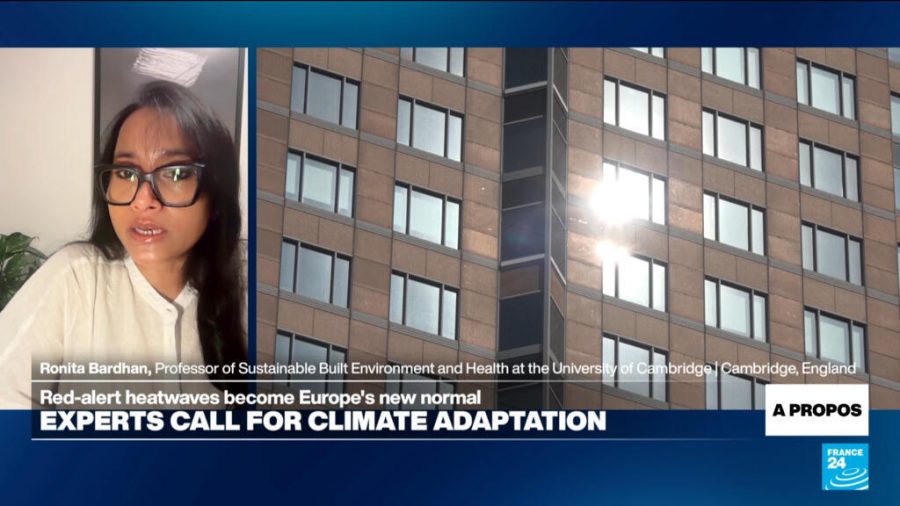
In an illuminating discussion with Sharon Gaffney from FRANCE 24, Ronita Bardhan, a Professor of Sustainable Built Environment and Health at the University of Cambridge, emphasized the crucial role of architecture and city planning in public health. She argues that “ultimately architecture and city design is becoming more of a public health infrastructure frontline of defense in this warming world.” This statement reflects a growing recognition that our built environments can significantly impact our health and well-being, especially during extreme weather events.
The Cost of Inaction
The World Health Organization (WHO) has reported that the recent heatwave in Europe resulted in over 1,300 excess deaths, underscoring the urgent need for cities to adapt to the changing climate. As heatwaves become more frequent and intense, the health risks associated with extreme temperatures—such as heat exhaustion, heatstroke, and cardiovascular issues—are likely to increase. Without proactive measures, vulnerable populations, including the elderly and those with pre-existing health conditions, could face dire consequences.
Innovative Cooling Solutions
In response to the escalating heat crisis, Bardhan advocates for a multi-faceted approach to urban design. This includes:
- Green Infrastructure: Incorporating parks, green roofs, and urban forests can significantly lower surface temperatures and improve air quality.
- Building Materials: Utilizing reflective materials and energy-efficient designs in new constructions can help reduce heat absorption, keeping indoor spaces cooler.
- Water Features: Integrating water bodies such as ponds or fountains can provide both aesthetic benefits and natural cooling effects.
- Urban Planning: Designing cities with walkability in mind encourages outdoor activity and reduces reliance on vehicles, which can contribute to urban heat.
- Community Engagement: Involving local communities in the design process ensures that solutions address the specific needs of residents, particularly those in vulnerable neighborhoods.
Case Studies from Around the World
Several cities have already begun to implement innovative strategies to combat heat. For instance, Barcelona has introduced a program to increase green spaces, while Singapore is known for its extensive urban greenery and cooling initiatives. These cities serve as models for others looking to enhance their resilience against heatwaves.
The Way Forward
As climate change continues to challenge urban environments, the integration of sustainable practices in architecture and city design will be essential. Bardhan’s insights highlight the need for a paradigm shift—viewing urban design not merely as a matter of aesthetics but as a critical component of public health infrastructure. Policymakers, architects, and urban planners must work collaboratively to create spaces that not only withstand the effects of climate change but also promote the health and well-being of their inhabitants.
Ultimately, as cities evolve, they must be equipped to handle the realities of a warming world. By prioritizing sustainable architecture and innovative city design, we can build a healthier future for all.