Understanding the Risks of AI Dominance
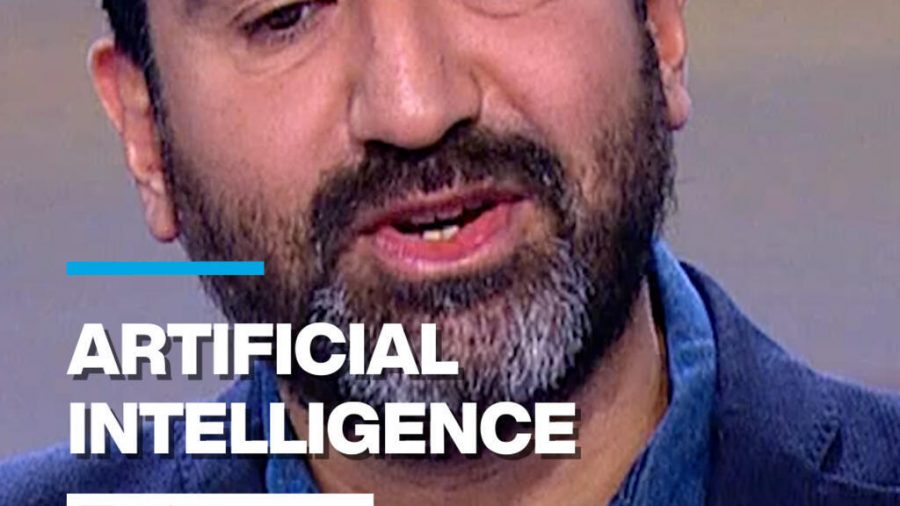
In the rapidly evolving landscape of technology, artificial intelligence (AI) has emerged as a pivotal force driving innovation and economic growth. However, as a few tech giants consolidate their power in this sector, concerns about their potential impact on the global economy have intensified. Tariq Krim and Marietje Schaake, during a recent #F24Debate, explored the notion that these AI titans might be ‘too big to fail,’ and the ramifications should they falter.
The Rise of AI Giants
The past decade has witnessed an unprecedented surge in AI capabilities, with companies like Google, Microsoft, and Amazon leading the charge. Their investments in AI research and development have not only transformed their business models but have also reshaped entire industries, from healthcare to finance. This dominance raises critical questions about market stability and the potential consequences of a market crash.
Economic Dependencies
Krim and Schaake highlighted that the integration of AI technologies into various sectors has created a web of economic dependencies. Businesses across the globe have come to rely on the services provided by these tech giants, making them integral to the functioning of the modern economy. If any of these companies were to experience a significant downturn, the ripple effects could be devastating.
- Job Losses: A downturn in AI companies could lead to massive layoffs, affecting millions of employees worldwide.
- Supply Chain Disruptions: Many industries depend on AI-driven logistics and supply chain management, which could be severely impacted.
- Investment Losses: Investors, both individual and institutional, could face significant financial losses, leading to a decrease in overall market confidence.
Regulatory Responses
In light of these concerns, the debate around regulatory frameworks for AI technology has gained traction. Experts argue that robust regulations are essential to mitigate risks and ensure fair competition in the market. Krim and Schaake stressed the importance of establishing guidelines that not only hold tech giants accountable but also promote innovation and protect consumers.
Global Perspectives
The implications of AI dominance are not confined to any single country. As AI technology continues to evolve, nations around the world are grappling with how to address these challenges. For instance, Europe has taken a proactive approach by proposing regulations that aim to create a balance between fostering innovation and safeguarding public interests. Meanwhile, in the United States, discussions are underway regarding the ethical use of AI and its economic implications.
The Path Forward
As the debate continues, it is clear that the trajectory of AI technology will play a crucial role in shaping the future of the global economy. Stakeholders, including governments, businesses, and consumers, must remain vigilant in addressing the challenges posed by the concentration of power among a few tech giants. By fostering an environment of transparency and accountability, the risks associated with a potential economic disaster can be mitigated.
In conclusion, while the advancements in AI bring immense opportunities, they also pose significant risks. As Krim and Schaake aptly pointed out, the question remains: are these AI tech giants truly ‘too big to fail’? The answer may dictate the future of our economy.