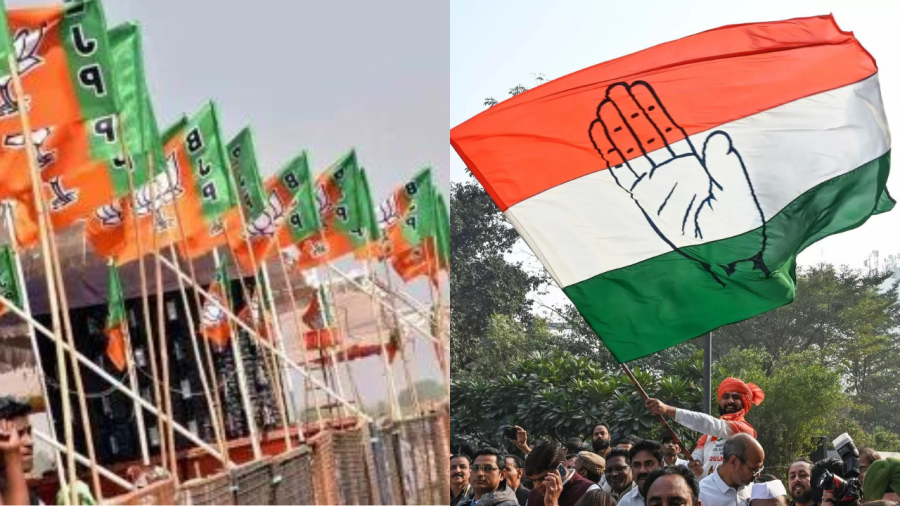
Assam Assembly Election Results 2026: A Pivotal Moment
The 2026 Assam Assembly elections have generated significant interest, with the state witnessing a remarkable voter turnout exceeding 85%. The exit polls suggest that the incumbent Bharatiya Janata Party (BJP), led by Chief Minister Himanta Biswa Sarma, is poised to secure a third consecutive term. However, this election cycle has been marked by heightened political exchanges between the ruling National Democratic Alliance (NDA) and a fragmented opposition, making several constituencies critical to watch as results unfold.
Political Landscape of Assam
In the lead-up to the elections, Assam’s political environment has been charged with intense debates and strategic maneuvering. The BJP, which has held power since 2016, has focused on its achievements while also facing scrutiny over issues such as unemployment, inflation, and ethnic tensions. Meanwhile, the opposition has been striving to consolidate its base, aiming to present a united front against the ruling party.
Top 10 Constituencies to Watch
As the results are anticipated, several constituencies stand out due to their historical significance, voter demographics, and the intensity of the electoral battle. Here are 10 key constituencies to keep an eye on:
- Guwahati: The capital city, Guwahati, is not just a political hub but also a barometer for the BJP’s popularity in urban areas. It has a diverse electorate that reflects various socio-economic backgrounds.
- Silchar: Known for its strategic importance, Silchar has always been a battleground for the BJP and the Congress. The outcome here could impact the overall narrative of the election.
- Karimganj: A constituency with a significant minority population, Karimganj will be pivotal in assessing the opposition’s strength and its ability to mobilize voters.
- Jorhat: With a history of fluctuating loyalties, Jorhat is crucial for both the NDA and the opposition. The BJP’s performance here will indicate its hold in the tea-growing regions.
- Tezpur: This constituency has been a stronghold for the BJP, but recent discontent among local farmers could challenge their dominance.
- Dibrugarh: As a center for the oil and tea industries, the economic interests of voters in Dibrugarh make it a constituency to watch closely.
- Nagaon: Historically a Congress bastion, Nagaon will test the BJP’s outreach to rural voters and its ability to address local issues.
- Barpeta: Another constituency with a significant minority vote, Barpeta will be key to understanding the opposition’s appeal among different communities.
- Hailakandi: A potential swing constituency, Hailakandi will be watched for its voter turnout and reaction to state policies.
- Majuli: As the world’s largest river island, Majuli holds cultural significance and will reflect the sentiments of indigenous voters.
Conclusion: The Road Ahead
The 2026 Assam assembly election results will not only determine the future of the state government but will also have broader implications for national politics. As the counting of votes begins, all eyes will be on these key constituencies, which could well define the political landscape of Assam for years to come.