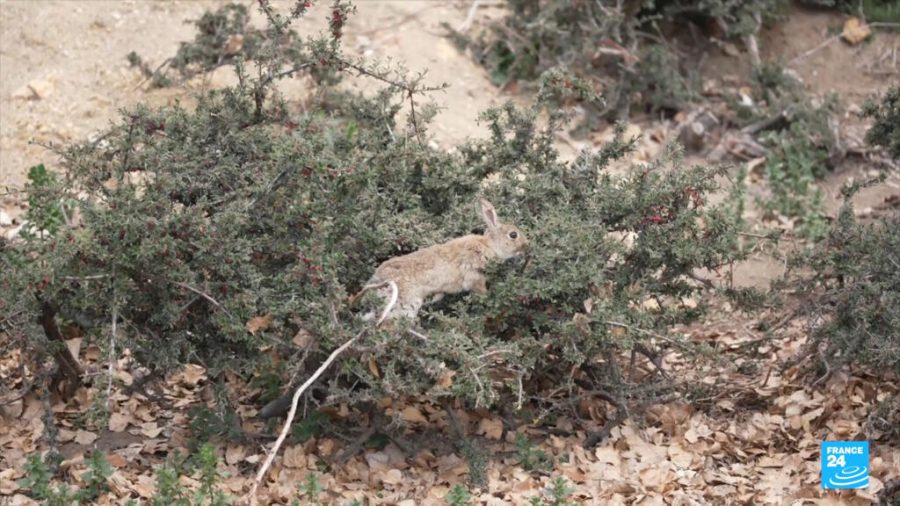
Rabbits Running Rampant: Australia Overrun by Invasive Species
In many parts of the world, rabbits are cherished as cute and cuddly pets. However, in Australia, these seemingly innocent creatures have become an ecological and economic nightmare. Initially introduced by British settlers in the mid-19th century for sport hunting, rabbits found themselves in a land devoid of natural predators, leading to a population explosion that has wreaked havoc across the continent.
The Arrival of Rabbits: A Historical Perspective
The story of Australia’s rabbit problem dates back to 1859 when Thomas Austin, a Victorian settler, released 24 rabbits into the wild for hunting purposes. Unbeknownst to him, this act would set off one of the most severe environmental crises in Australian history. With vast expanses of land and no natural enemies, the rabbit population surged, reaching an estimated 600 million by the 1920s.
Environmental and Economic Consequences
Today, the impact of these invasive rabbits is profoundly felt across Australia’s unique ecosystems. The relentless foraging of these animals has led to severe degradation of the landscape, including:
- Soil Erosion: Rabbits strip vegetation, exposing soil to wind and rain, which can lead to significant erosion and desertification.
- Loss of Native Flora: The overgrazing by rabbits threatens native plant species, many of which are already endangered.
- Impact on Native Fauna: As the habitat for native species shrinks due to rabbit overpopulation, many animals find it increasingly difficult to survive.
Farmers across Australia have been particularly hard hit by the rabbit invasion. The agricultural sector, which relies heavily on grazing land for livestock, faces disastrous consequences as rabbits consume pasture and crops. Many farmers report losses that can reach into the millions of dollars annually due to reduced yields and increased costs associated with managing rabbit populations.
Efforts to Control the Rabbit Population
In response to the growing crisis, Australian authorities have launched numerous eradication campaigns over the years, utilizing methods ranging from hunting and trapping to biological controls. One notable initiative is the introduction of the myxoma virus in the 1950s, which caused significant declines in rabbit populations. However, rabbits have shown remarkable resilience, developing immunity to the disease, and their numbers have rebounded.
Recent efforts have also included the deployment of new biocontrol methods, such as the Rabbit Haemorrhagic Disease Virus (RHDV), which was released into the wild in the 1990s. While these methods have proven somewhat effective, they are not a complete solution, and the battle against rabbits continues.
Community Involvement and Awareness
Local communities and conservation organizations are increasingly engaging in initiatives to raise awareness about the impact of rabbits on the environment. Educational programs aim to inform the public about the importance of responsible pet ownership and discourage the release of domestic rabbits into the wild.
Moreover, community-led volunteer groups are organizing rabbit-proof fencing projects and habitat restoration activities to help mitigate the effects of rabbit overpopulation. These grassroots efforts highlight the critical role that individuals can play in combating this ongoing crisis.
The Road Ahead
While the rabbit population in Australia remains a formidable challenge, innovative solutions and community engagement offer hope for the future. As scientists continue to explore new biological controls and farmers adapt their practices to coexist with this invasive species, the path to restoring balance to Australia’s ecosystems becomes more attainable.
In conclusion, the plight of rabbits in Australia is a stark reminder of the consequences of introducing non-native species into fragile ecosystems. As the country grapples with this environmental disaster, it serves as a crucial lesson for wildlife management and conservation efforts worldwide.