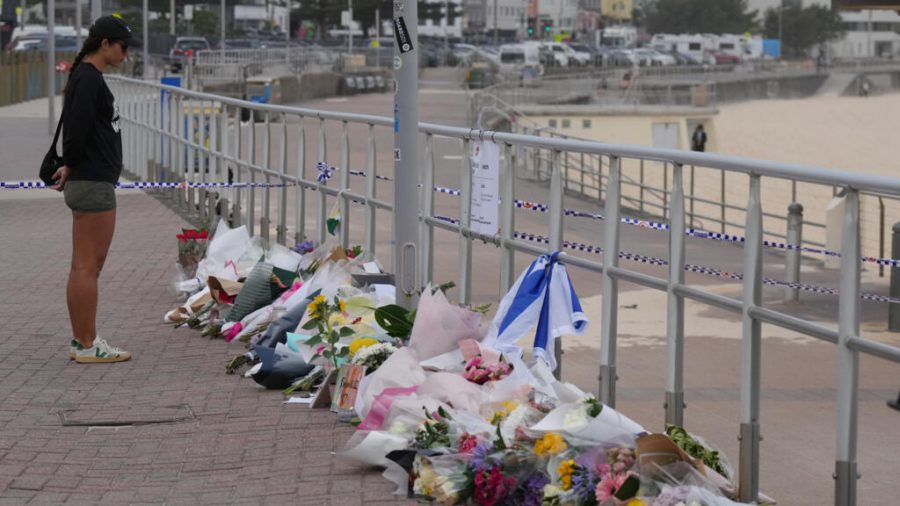
Australia’s intelligence chief has raised alarming concerns about the rise of anti-Semitism in the country, stating that it was ‘left unchecked’ in the aftermath of the Gaza war. Mike Burgess, the director-general of the Australian Security Intelligence Organisation (ASIO), made the remarks on Monday during a government inquiry into the tragic mass shooting at Bondi Beach, which claimed 15 lives during a Jewish Hanukkah celebration in December 2025.
Anti-Semitism Escalated to Dangerous Levels Before Attack
Burgess detailed how anti-Semitic incidents had spiraled in the years leading up to the attack. He described a chilling escalation, moving from “intimidating behavior” in public spaces to the “direct targeting of individuals” based on their Jewish identity. The Gaza conflict, which reignited tensions globally, appeared to exacerbate these issues within Australia, creating what Burgess referred to as a “permissive environment” for hate to thrive.
A Tragic Turning Point
The Bondi Beach shooting remains one of the darkest moments in recent Australian history. On a December evening in 2025, a gunman opened fire on a gathering of Jewish families celebrating Hanukkah, leaving 15 dead and many others injured. The tragedy sent shockwaves throughout the nation, prompting widespread calls for action against hate crimes and extremism.
“What we witnessed in the lead-up to this tragedy was a failure to adequately address the growing tide of anti-Semitic rhetoric and behavior,” Burgess told the inquiry. “The atmosphere of hostility created fertile ground for such a heinous act to take place.”
Unchecked Hate Speech and Online Radicalization
According to Burgess, much of the anti-Semitic sentiment was fueled by unchecked hate speech online and in public forums. Social media platforms, in particular, played a significant role in amplifying rhetoric that targeted Jewish communities, while extremist groups exploited the Gaza conflict to bolster their agendas. Burgess emphasized the need for stronger measures to counter online radicalization, including improved monitoring and enforcement of hate-speech laws.
“The digital age has unfortunately provided a megaphone for those who wish to spread hate,” Burgess said. “We need to ensure that our laws and policies are equipped to address this growing threat effectively.”
Calls for Action and Policy Changes
The inquiry has sparked renewed debate over how Australia should tackle rising anti-Semitism and hate crimes. Advocacy groups, community leaders, and lawmakers are urging the government to take a more proactive stance. Suggestions include increased funding for community safety programs, better education on diversity and inclusion, and stricter penalties for hate crimes.
Jewish community leaders have also called for greater collaboration between law enforcement and intelligence agencies to identify and address threats before they escalate. “This is not just an issue for the Jewish community; it’s a wake-up call for all Australians. We must work together to ensure that no group feels unsafe in their own country,” said one community representative during the inquiry.
The Path Forward
As the inquiry continues, Burgess’s testimony has underscored the urgent need to address the root causes of anti-Semitism in Australia. While the Bondi Beach tragedy has left an indelible mark on the nation, it has also galvanized a collective resolve to confront hate in all its forms. The hope is that through decisive action, Australia can prevent such atrocities from occurring in the future and foster a society built on mutual respect and understanding.
The government is expected to announce new measures in the coming months aimed at addressing the rise of hate crimes and ensuring the safety of all communities. For now, the tragedy at Bondi Beach serves as a somber reminder of the consequences of allowing hate to fester unchecked.