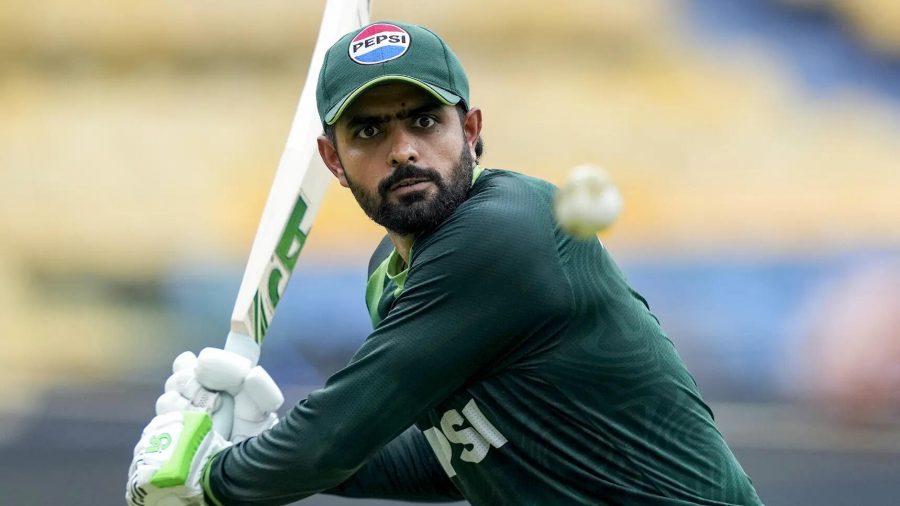
Internal Strife Plagues Pakistan Cricket After T20 World Cup Exit
Pakistan cricket is currently facing a wave of discontent following the national team’s disappointing exit from the T20 World Cup. The fallout has sparked a public spat among players and former cricket legends, revealing deep-seated divisions within the sport.
Shadab Khan vs. Afridi and Yousuf: A Public Dispute
The tension reached a boiling point when all-rounder Shadab Khan publicly responded to criticism from former captains Shahid Afridi and Mohammad Yousuf. Their remarks regarding the team’s performance and player conduct ignited a firestorm on social media, showcasing a rift between the current players and the 90s cricket icons.
Shadab’s retort highlighted a growing frustration among the players, who feel under siege not only from the media but also from former cricketers who have yet to step into the shoes of the current generation’s challenges. The incident has sparked widespread debate over the role of former players in providing constructive criticism versus perpetuating negativity.
Babar Azam Calls for Respect and Unity
In light of the ongoing discord, Pakistan’s captain Babar Azam has taken a stand. He emphasized the need for respect among all stakeholders in Pakistan cricket, urging everyone to rally behind the national team rather than engage in public disputes. Babar stated, “You are just fighting among yourselves,” addressing the former players directly. His comments were not just directed at Afridi and Yousuf but served as a broader call for unity.
“We all share a common goal: to see Pakistan cricket thrive. It’s essential we support the players and encourage them rather than criticize them from the sidelines,” Babar continued. This sentiment resonates with many fans who believe that internal conflict only undermines the team’s morale and performance on the international stage.
The Impact on Team Dynamics
The current friction has the potential to affect team dynamics adversely. Players like Shadab Khan, who have shown remarkable dedication to the national team, may feel demoralized by the negative commentary from former stars. This could lead to a lack of confidence, which is detrimental to performance, particularly in high-stakes matches.
The national team’s management is now faced with the challenge of fostering an environment where players feel supported and valued, while also bridging the gap with former players who have significant influence and experience. It’s a delicate balance that requires diplomacy and a shared vision for the future of cricket in Pakistan.
Moving Forward: A Call for Constructive Dialogue
Babar Azam’s call for mutual respect is a reminder that while criticism is a part of sports, it should aim to uplift rather than tear down. The cricketing fraternity must focus on constructive dialogue that promotes growth and improvement. With the next series approaching, it is crucial for both current players and former stars to come together for the greater good of Pakistan cricket.
As the cricketing world watches closely, the hope is that this internal strife can be resolved, paving the way for a united front as the team prepares for future challenges. Only through solidarity can Pakistan cricket hope to reclaim its former glory and foster a new generation of players who can stand tall on the world stage.