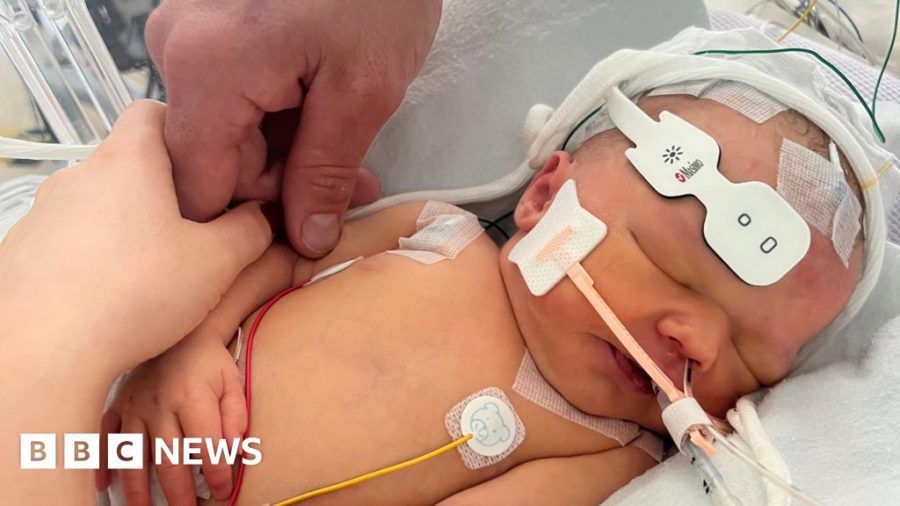
A heart-wrenching inquest has heard the devastating story of Poppy Hope Lomas, a newborn baby who tragically died just seven days after a high-risk home birth in north London. The inquest into her death has raised serious concerns about the safety and regulation of home births, particularly in cases where the risks are deemed high.
Background to the Tragedy
According to the testimony given during the inquest, Poppy’s mother had expressed concerns about her baby’s health immediately after the birth, noticing that her baby was ‘so purple.’ This observation was a clear indication that something was amiss, as newborn babies are not expected to have such a pronounced discoloration, which can be a sign of oxygen deprivation or other serious health issues.
Investigation into the Home Birth
The inquest has sparked a thorough investigation into the circumstances surrounding Poppy’s birth and the events that led to her tragic death. It has emerged that the home birth was categorized as ‘high-risk,’ a designation that should have prompted additional precautions and possibly a recommendation for a hospital birth where advanced medical facilities and expertise are readily available.
Key questions are being asked about the adequacy of the care provided during the home birth and the post-natal period. Specifically, the investigation is looking into whether the necessary protocols for high-risk births were followed and if the medical professionals involved were adequately trained and equipped to handle any complications that might arise.
Concerns Over Home Birth Regulations
The case has highlighted concerns over the current regulations and guidelines governing home births, especially for those deemed high-risk. There are fears that the system may not be doing enough to protect mothers and babies in such situations, prompting calls for a review of the existing protocols to ensure they are robust and effective in preventing such tragedies.
Among the areas under scrutiny are the criteria used to determine the suitability of a home birth, the training and qualifications of birth attendants, and the availability of emergency backup plans in case complications arise during or after the birth.
Recommendations for Change
- Enhanced Risk Assessment: There is a need for a more rigorous risk assessment process to identify high-risk pregnancies and ensure that these cases are managed appropriately, possibly with a recommendation for a hospital birth.
- Improved Training for Birth Attendants: Birth attendants, including midwives, should receive comprehensive training on managing high-risk births and recognizing signs of potential complications early.
- Emergency Protocols: Clear and effective emergency protocols should be in place for all home births, including high-risk cases, to ensure prompt and appropriate action in case of complications.
The inquest into Poppy Hope Lomas’s death serves as a stark reminder of the importance of ensuring that all births, regardless of their setting, are conducted with the highest standards of care and safety. It is hoped that the lessons learned from this tragedy will lead to meaningful changes in the way high-risk home births are managed, ultimately preventing similar devastating outcomes in the future.