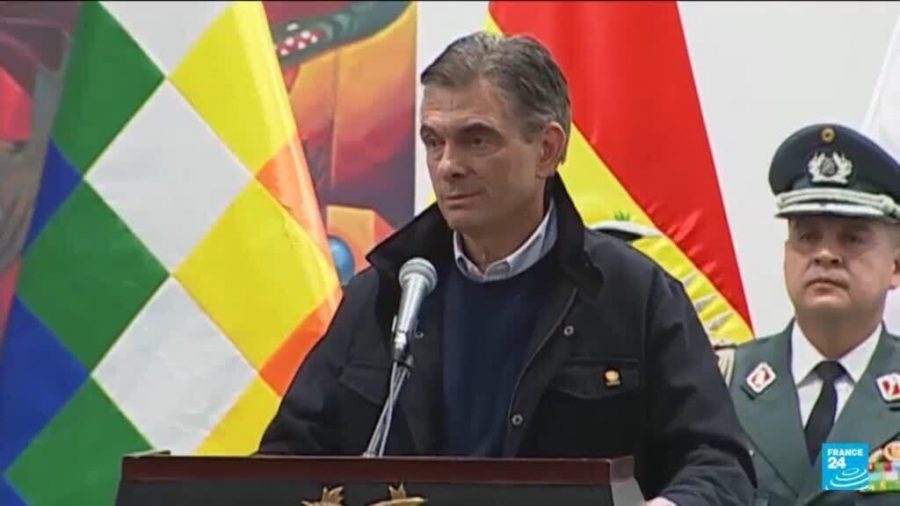
Bolivia Declares State of Emergency Amid Ongoing Blockade Crisis
In a decisive move to address the escalating crisis in Bolivia, President Rodrigo Paz has declared a state of emergency following a relentless fifty-day blockade that has severely disrupted the nation’s economy. The declaration, which facilitates military deployment across the country, comes on the heels of a hard-fought agreement with the country’s primary trade union federation to mitigate ongoing protests that have led to critical shortages of essential goods.
The Background of the Crisis
The blockade, which began over two months ago, has seen various groups, including farmers and indigenous organizations, protesting against government policies they deem unfavorable. These protests have resulted in a significant halt to transportation routes, restricting access to crucial supplies such as food, medicine, and fuel, particularly in urban centers like the capital, La Paz.
Impact on Everyday Life
The ramifications of the blockade have been felt acutely by the populace. Residents of La Paz have reported dwindling food supplies in markets, skyrocketing prices for available goods, and limited access to healthcare services as pharmacies run low on essential medications. In a country already grappling with economic challenges, the blockade has exacerbated the situation, leading to widespread unrest and frustration among citizens.
Government Response
President Paz’s administration has faced mounting pressure to resolve the crisis. The declaration of a state of emergency allows for enhanced governmental powers to maintain order and restore normalcy. According to sources in the government, the decision to deploy military forces was not taken lightly but was deemed necessary to protect the rights of citizens and ensure the free movement of goods.
Negotiations with Trade Unions
Just hours before the emergency declaration, President Paz reached an agreement with the Confederation of Bolivian Workers, the nation’s leading trade union federation. This deal aims to address some of the grievances that have fueled the protests, including wage increases and improved working conditions. However, many protesters remain skeptical, demanding more tangible changes and assurances from the government.
The Road Ahead
The pathway to resolution remains fraught with challenges. While the emergency declaration and subsequent military deployment may restore order temporarily, it risks further escalating tensions between the government and various social groups. Observers warn that unless the underlying issues prompting the protests are addressed, Bolivia may find itself in a prolonged cycle of unrest.
International Reactions
The international community has been closely monitoring the situation in Bolivia. Various human rights organizations have expressed concern over the potential for violence with military involvement in civilian matters. Calls for dialogue and peaceful resolutions have intensified, with many urging the government to prioritize negotiation over force.
A Fragile Peace?
As Bolivia braces for the next steps in this ongoing crisis, the nation stands at a crossroads. The effectiveness of President Paz’s emergency measures and the government’s ability to engage in constructive dialogue with protesters will be crucial in determining whether Bolivia can stabilize and move forward. The coming days will be pivotal in shaping the future of the country and its citizens.