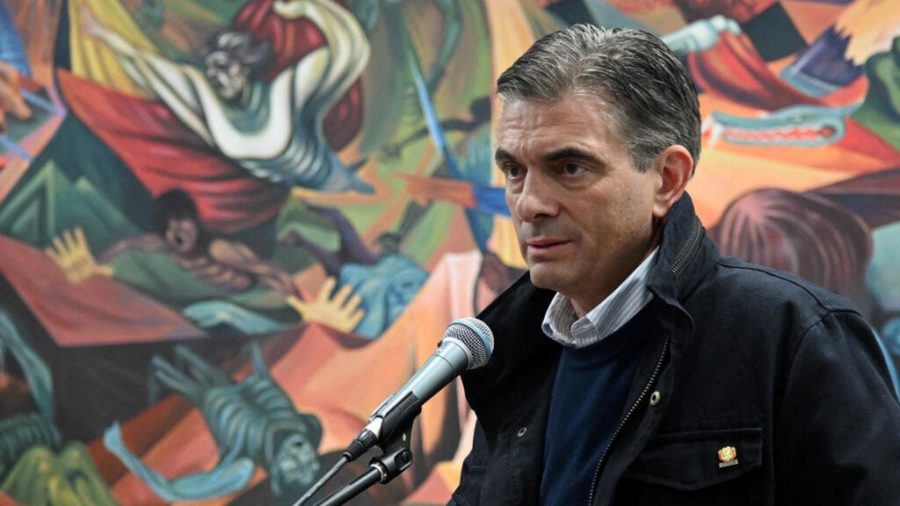
Bolivia’s President Paz Declares State of Emergency Amid Ongoing Protests
In a decisive move to restore order, Bolivian President Rodrigo Paz has declared a state of emergency in response to escalating anti-government protests that have gripped the nation for nearly two months. This declaration, made on Saturday, allows the government to deploy military forces to clear road blockades that have severely disrupted the economy and intensified calls for Paz’s resignation.
The Background of Unrest
The protests began as a reaction to rising tensions around issues such as economic hardship, social inequality, and a perceived lack of governmental transparency. Citizens have taken to the streets in unprecedented numbers, demanding not only an end to the blockades but also significant changes in leadership and policy direction.
Impacts on the Economy
The blockades, which have become a hallmark of civil discontent, have significantly impacted Bolivia’s economy. Major supply routes have been cut off, leading to shortages of essential goods and skyrocketing prices. The agricultural sector, a vital part of Bolivia’s economy, has been particularly hard hit, with farmers unable to transport their products to market.
Government Response
In light of these mounting pressures, President Paz’s decision to declare a state of emergency is seen as a double-edged sword. While it grants the government greater authority to act, it also raises concerns about potential human rights violations and the risk of escalating violence between protesters and security forces.
- Military Deployment: The declaration allows for the military to be deployed in urban and rural areas to assist police in clearing blockades.
- Public Safety Measures: The government has emphasized that the military will act under strict guidelines to ensure public safety during enforcement actions.
- Negotiation Efforts: Despite the harsh measures, Paz’s administration has expressed willingness to engage in dialogue with protest leaders in hopes of reaching a peaceful resolution.
Public Reaction
The public’s reaction to the state of emergency has been mixed. While some citizens support the government’s actions in an effort to restore order, others fear that the militarization of the streets could lead to further violence and repression. As protests continue, many Bolivians are left wondering what the future holds for their country.
International Observations
International observers are closely monitoring the situation in Bolivia, with human rights organizations expressing concern over the potential for violence. Calls for restraint and respect for civil liberties have been echoed by various global entities, urging the Bolivian government to prioritize dialogue over force.
The Path Forward
As Bolivia stands at a critical juncture, the coming days will be pivotal in determining whether peace can be restored or if the nation will descend into further chaos. The government’s ability to balance the need for order with the necessity of addressing the underlying grievances of its citizens will be vital in shaping the future of Bolivian democracy.