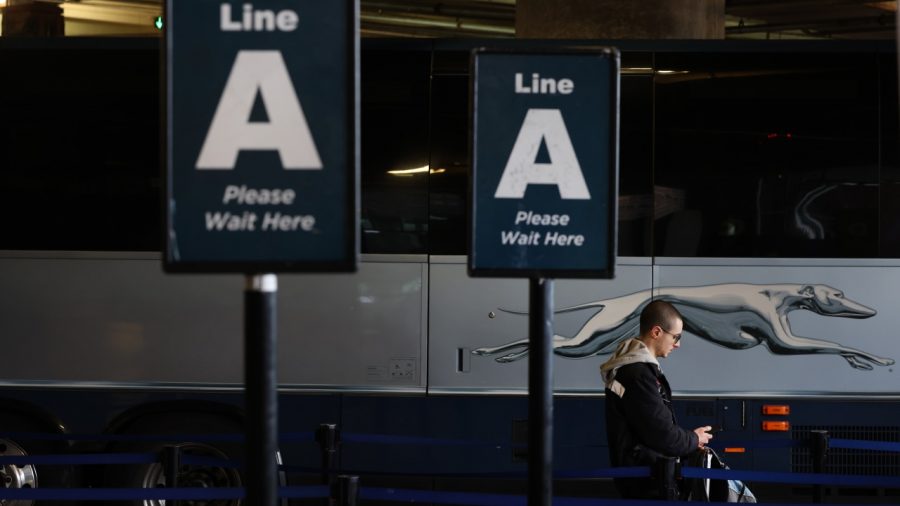
Budget Travelers Turn to Buses Following Spirit Airlines’ Closure
The landscape of low-cost travel has dramatically changed since the abrupt exit of budget airline Spirit Airlines. With the airline industry facing unprecedented challenges, many travelers who once relied on Spirit for affordable flights are now embracing an alternative mode of transport: the bus.
The Rise of Bus Travel
As Spirit Airlines ceased operations, companies like Flixbus and Greyhound have recognized the opportunity to fill the void left behind. Both companies are expanding their services and investing in fleet upgrades to cater to the influx of travelers seeking economical transportation options.
Flixbus: A New Player in Affordable Travel
Flixbus, known for its extensive network across the United States and Europe, has seen a surge in demand since the news of Spirit’s closure. The company has responded by enhancing its service offerings, which now include:
- Comfortable, modern buses equipped with Wi-Fi and power outlets
- Flexible ticketing options to accommodate changing travel plans
- Competitive pricing, often undercutting traditional travel costs
“We’ve made significant investments in our fleet and technology to ensure a seamless travel experience,” said a spokesperson for Flixbus. “Our goal is to provide travelers with a reliable and affordable alternative that meets their needs.”
Greyhound: Reinventing Itself
Greyhound, a long-standing name in bus travel, is also adapting to the new market dynamics. With decades of experience, the company is rejuvenating its image and service model to attract former airline passengers. Recent upgrades include:
- Renovated buses featuring more comfortable seating and improved amenities
- Enhanced safety measures amid ongoing health concerns
- New routes and more frequent departures to popular destinations
“We are committed to providing an exceptional travel experience that rivals any airline,” a Greyhound representative stated. “With the recent changes in the travel industry, we see a unique opportunity to re-engage with customers who may have overlooked us in the past.”
Why Travelers Are Embracing Bus Travel
With the rise in bus travel, many former airline passengers are discovering the benefits of this mode of transportation. Factors contributing to this shift include:
- Cost-Effectiveness: Bus fares are often significantly cheaper than airline tickets, especially for short to medium distances.
- Environmental Impact: Buses generally have a smaller carbon footprint per passenger compared to planes, appealing to eco-conscious travelers.
- Convenience: Many bus routes offer direct service to city centers, eliminating the need for expensive airport transfers.
As travelers adapt to the new realities of the transportation landscape, the bus industry appears poised for growth. Companies like Flixbus and Greyhound are not just filling a gap; they are rebranding the way people think about travel, making it more accessible and enjoyable.
Looking Ahead
The future of travel post-Spirit Airlines remains uncertain, but one thing is clear: the bus is back in style. With an increasing number of individuals prioritizing budget-friendly options, comfort, and convenience, the resurgence of bus travel may well be a permanent shift in the industry. As more people choose to take the bus rather than the plane, companies will likely continue to innovate and expand their services to meet the evolving demands of travelers.
Time will tell if these changes are enough to sustain the interest of a new generation of travelers, but for now, it seems the bus has reclaimed its place as a viable option for those seeking to explore the world without breaking the bank.