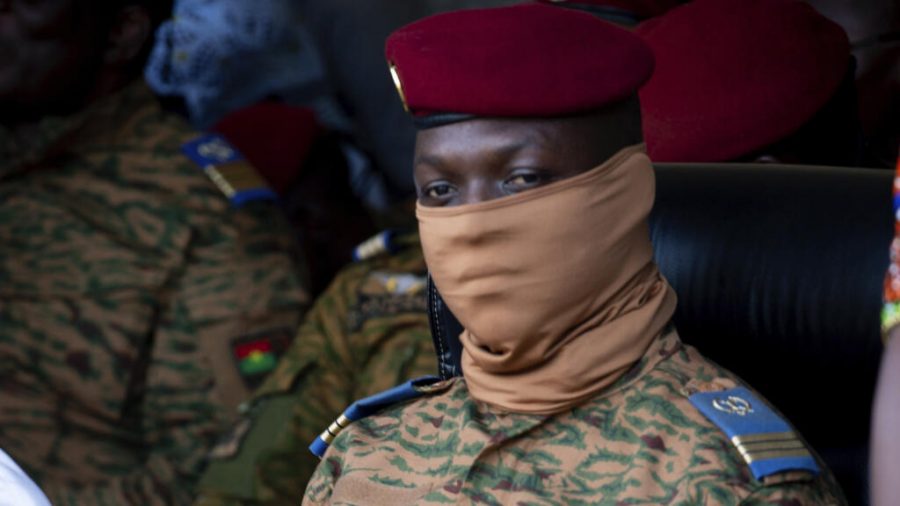
Burkina Faso’s Military Junta Cuts Ties with France
In a significant geopolitical shift, Burkina Faso’s military junta announced on Friday that it has severed diplomatic relations with France, the country’s former colonial ruler. This decision is rooted in accusations against Paris of undermining Burkina Faso’s interests and allegedly supporting subversive groups and militants operating in the Sahel region.
The Context of the Decision
The announcement comes as a part of a broader trend wherein the ruling authorities, led by Captain Ibrahim Traore, seek to distance themselves from Western influences following his ascent to power during a coup in 2022. This move is indicative of the junta’s ongoing efforts to consolidate its authority and redefine its foreign relations, particularly in a region plagued by violence and instability.
Reasons Behind the Diplomatic Break
Burkina Faso has faced increasing insecurity due to the activities of various militant groups, which have exploited the country’s political and social vulnerabilities. The junta’s leadership has accused France of not only failing to assist in combating these threats but also of actively supporting extremist factions that threaten the stability of the Sahel.
- Historical Ties: The relationship between Burkina Faso and France has been fraught with tension since the country gained independence in 1960. France’s historical involvement in the region has often been viewed with skepticism.
- Control Over Resources: The military government claims that France’s influence has hindered Burkina Faso from fully controlling its natural resources and economic policies.
- Security Concerns: With ongoing violence from jihadist groups, the junta believes that foreign intervention, particularly from Western nations, has not effectively addressed the security crisis.
Implications for Burkina Faso and the Region
This diplomatic rupture with France marks a pivotal moment for Burkina Faso, as it could lead to a realignment of international partnerships. The ruling junta has already expressed interest in strengthening ties with non-Western nations, potentially looking towards countries such as Russia and China for military and economic support.
Reactions from the International Community
The decision has elicited a mixed response from the international community. While some factions within Burkina Faso view the move as a necessary step towards sovereignty and self-determination, others fear that it could lead to increased isolation and further destabilization in a region already struggling with governance and security issues.
- Supporters of the Junta: Many citizens support the junta’s stance, believing it to be a bold declaration of independence from former colonial powers.
- Critics: Conversely, critics warn that such a radical shift could exacerbate the ongoing security crisis and alienate potential partners that could provide much-needed assistance.
Looking Ahead
As Burkina Faso navigates this new chapter in its foreign relations, the junta’s leadership will need to balance its nationalist ambitions with the practical realities of governance and security. The future of Burkina Faso’s political landscape remains uncertain, but the recent severing of ties with France signals a shift towards a more independent, albeit unpredictable, path.
The Sahel region, particularly Burkina Faso, remains a focal point for international security discussions, and how the junta’s policies will unfold in the coming months will be closely monitored by governments and analysts alike.