A Record Representation for Africa at the 2026 World Cup
The 2026 FIFA World Cup is set to be a landmark tournament, not only for its unprecedented expansion to 48 teams but also for the record number of African nations participating. For the first time in history, six African teams are competing on the world stage: Algeria, Morocco, Nigeria, Senegal, South Africa, and Tunisia. This surge in representation offers a glimmer of hope for fans across the continent, who have long awaited a breakthrough moment in global football.
South Africa’s Opening Defeat: A Cause for Concern
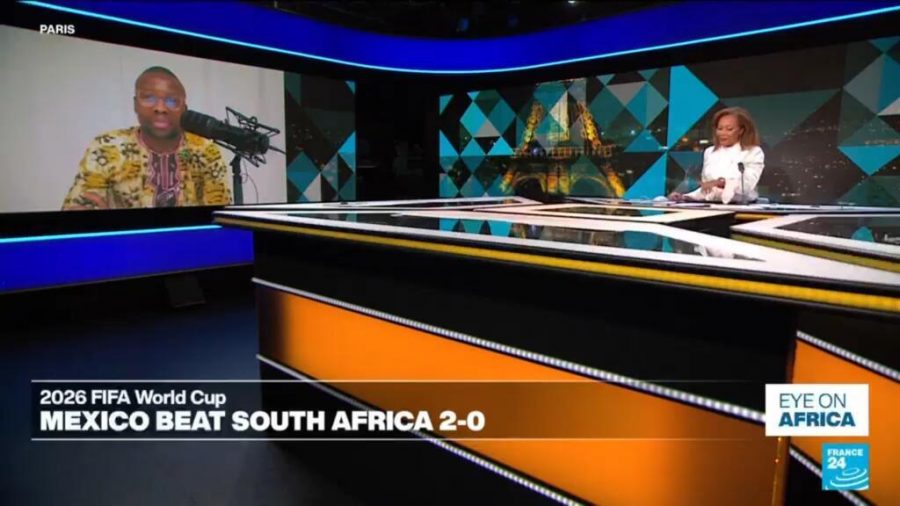
However, the excitement was dampened recently when South Africa suffered a disappointing opening defeat to Mexico. This loss has sparked concerns about the overall performance of African teams in the tournament. South Africa’s struggles in the early stages have raised questions about whether the continent can convert this historic representation into tangible success.
Historical Context: African Teams in World Cups
Historically, African teams have faced significant challenges at the World Cup. Despite showcasing immense talent and potential, they have often fallen short of advancing past the quarter-finals. The furthest any African team has progressed in the tournament is to the quarter-finals, with Cameroon in 1990, Senegal in 2002, and Ghana in 2010 all reaching this stage. This trend has left many fans wondering if the current crop of teams is capable of breaking the glass ceiling.
Assessing the Strengths of African Teams
While South Africa’s loss is disheartening, the other African teams bring a wealth of talent and experience. Morocco, for example, boasts a squad filled with players from top European leagues, including Hakim Ziyech of Chelsea and Achraf Hakimi of Paris Saint-Germain. Similarly, Senegal features star players like Sadio Mané, who has the ability to turn a game around single-handedly. Nigeria and Algeria are also known for their attacking prowess and tactical discipline.
The Importance of Unity and Support
One of the critical factors that could influence the success of African teams in this World Cup is unity. Teams that work cohesively often perform better under pressure. The support from fans at home and abroad can also provide the necessary motivation for players to excel. As the tournament progresses, it will be crucial for these teams to come together and harness their collective strengths.
A Historical Opportunity
The 2026 World Cup represents not just a chance to showcase talent but also an opportunity to rewrite history. With increased representation, African teams have a unique platform to demonstrate their capabilities on a global stage. The question remains: can they leverage this opportunity and finally challenge for football’s most prestigious prize?
Looking Ahead: Predictions and Hopes
As the tournament unfolds, analysts and fans alike will be watching closely. Expectations are high, and the pressure is on these African teams to perform. Each match presents a new chance to create history, and the potential for a dramatic narrative is palpable. Will one of these teams rise to the occasion and make a deep run in the tournament, or will they succumb to the challenges that have plagued African teams in the past?
Conclusion: A Call for Support
As we enter the critical stages of the 2026 World Cup, the hopes of a continent rest on the shoulders of these six teams. With a collective spirit and unwavering support from fans, African nations have the potential to make their mark in this tournament. The question is not just about whether they can win, but whether they can inspire future generations of footballers across Africa.