Introduction
In a momentous shift towards collective migration governance, the European Union is optimistic about the implementation of its new Migration and Asylum Pact. This pivotal agreement, which has been over a decade in the making, aims to strike a delicate balance between enhancing border control, expediting asylum processes, fostering cooperation among member states, and rebuilding trust within a fractured European framework.
The Context of the Migration and Asylum Pact
The Migration and Asylum Pact represents a significant evolution in the EU’s approach to migration, a topic that has long been contentious among member states. With varying perspectives on how to handle the influx of migrants and refugees, the pact seeks to unify these disparate views under a common set of rules and procedures.
Historical Background
Negotiations for the pact have been ongoing since 2015, spurred by the refugee crisis that saw hundreds of thousands of individuals seeking asylum in Europe. The urgency for a cohesive response has only grown as migration patterns have shifted and the political landscape within the EU has become increasingly polarized.
Key Objectives of the Pact
- Strengthening Border Management: One of the primary goals is to bolster the security of EU borders while ensuring that the rights of asylum seekers are respected.
- Accelerating Asylum Procedures: The pact aims to streamline and expedite the asylum process, reducing the waiting time for applicants and alleviating the burdens on national systems.
- Enhancing Coordination: By promoting greater collaboration among member states, the pact hopes to create a more harmonious approach to migration management across Europe.
- Rebuilding Trust: In light of past failures and disagreements, the EU is focused on restoring confidence among member states, fostering a spirit of solidarity and shared responsibility.
The Role of Key Stakeholders
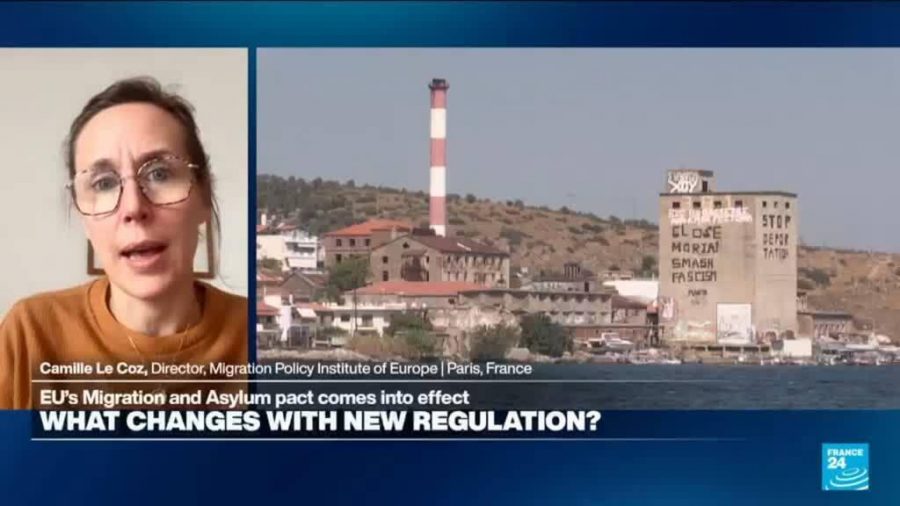
William Hilderbrandt, who has been an advocate for comprehensive migration policies, recently welcomed Camille Le Coz, the Director of the Migration Policy Institute of Europe. Their discussions highlighted the critical nature of the pact and the challenges that lie ahead. Le Coz emphasized the need for member states to move beyond national interests and embrace a collaborative mindset.
Challenges Ahead
Despite the optimistic outlook, the path to successful implementation is fraught with challenges. Divergent political climates across member states, public sentiment towards migration, and the varying capacities of nations to accommodate newcomers all pose significant hurdles. Additionally, the recent rise of populism in several countries has complicated the discourse around migration, often leading to resistance against shared responsibilities.
Conclusion
As the EU embarks on this ambitious experiment in collective migration governance, the success of the Migration and Asylum Pact will depend on the willingness of member states to collaborate and compromise. The stakes are high, not only for the future of migration policy in Europe but also for the fundamental values of solidarity and human rights that the EU espouses. Observers worldwide will be watching closely to see if the EU can navigate this extremely complex legislation and emerge with a unified approach to managing migration.