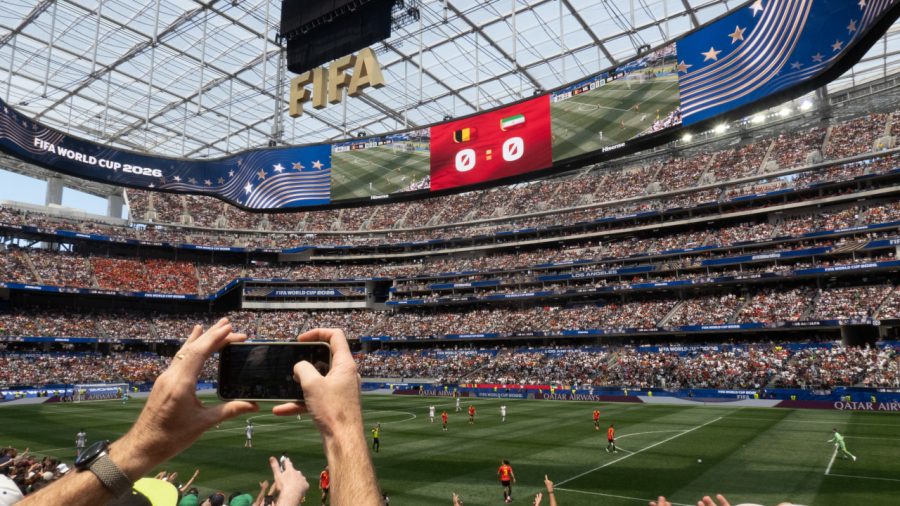
The Growing Influence of Soccer in American Sports Culture
As the world gears up for the excitement of the FIFA World Cup, a pivotal question surfaces: will this prestigious tournament finally spark a genuine love for soccer in the United States? With a rich tapestry of sports traditions woven into the fabric of American culture, the allure of soccer remains a topic of spirited debate among students and sports enthusiasts alike.
The Current Landscape of Soccer in America
Historically, soccer has struggled to compete with powerhouse sports like football, basketball, and baseball in the U.S. Despite its global popularity, the sport has often been viewed as a niche interest, primarily confined to youth leagues and immigrant communities. However, recent years have seen a shift in this perception, with Major League Soccer (MLS) expanding rapidly and gaining a dedicated following.
According to a survey conducted by the Sports Marketing Surveys USA, soccer’s popularity among American youth has surged, with millions participating in organized leagues. College campuses are becoming hotbeds for soccer culture, where students engage in discussions about teams, players, and upcoming matches with the same fervor typically reserved for NCAA basketball or NFL games.
Student Perspectives on Soccer’s Potential
To better understand the sentiment surrounding soccer among the younger generation, we spoke with several students from various universities. Their insights reveal a mix of optimism and skepticism about the sport’s future in America.
- Maria Gonzalez, a junior at UCLA: “I think the World Cup is going to be a game-changer. It’s a chance for people to see soccer on a grand stage, and I believe many will fall in love with the sport after watching it. We just need more exposure and support for our local teams.”
- James McCarthy, a senior at the University of Florida: “Soccer has always been there, but it feels like it’s finally getting the recognition it deserves. The World Cup could be a pivotal moment, especially if the U.S. performs well.”
- Emily Tran, a freshman at NYU: “While I enjoy soccer, I think it’s still a tough sell in a country that loves its football. But if the World Cup creates more buzz, who knows? It could spark a new generation of fans.”
The Role of Media and Marketing
The media’s role in shaping public perception cannot be understated. As networks invest heavily in broadcasting rights and coverage of major international tournaments, soccer is gaining visibility like never before. Social media also plays a crucial role, with platforms like TikTok and Instagram enabling fans to share highlights, memes, and personal stories about their soccer experiences.
Sports marketing experts argue that strategic campaigns highlighting the excitement of the World Cup can bridge the gap between traditional American sports and soccer. Engaging younger audiences through influencers, interactive content, and community events could foster a deeper connection with the sport.
Challenges Ahead
Despite the potential, significant challenges remain. The entrenched popularity of American football, basketball, and baseball poses a daunting barrier for soccer. The cultural identity associated with these sports is deeply rooted in American society, making it difficult for soccer to carve out its own space.
Additionally, the lack of consistent success by the U.S. men’s national team on the world stage has dampened enthusiasm. Many fans believe that sustained success is crucial for soccer to thrive in America. The recent performance of the U.S. women’s national team, however, has sparked hope and excitement, showcasing that American soccer can compete at the highest levels.
Conclusion: A Turning Point for Soccer?
As the World Cup approaches, it stands as a litmus test for soccer’s future in the United States. The collective anticipation surrounding the tournament presents a unique opportunity to elevate the sport’s profile and potentially ignite a passion among a broader audience. Whether the World Cup will indeed make America love soccer remains to be seen, but one thing is clear: the conversation has begun, and the stage is set for a thrilling showcase of athleticism and culture.