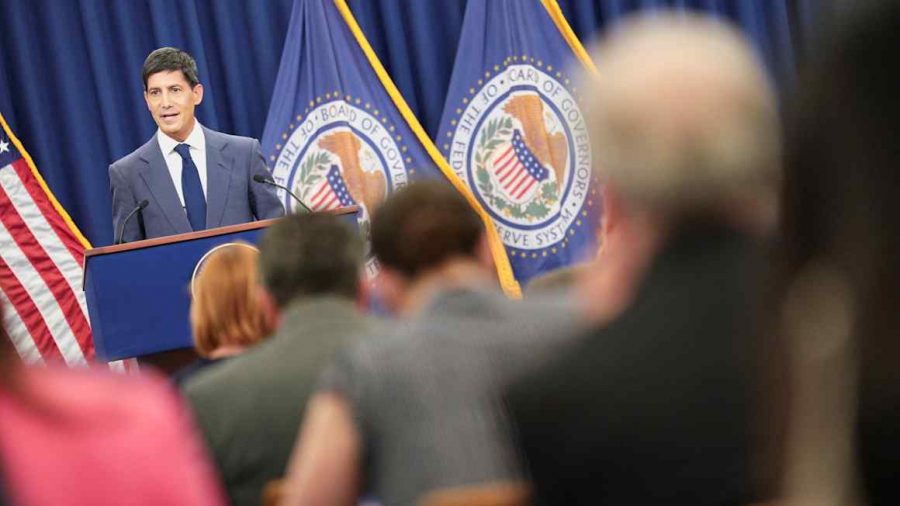
Warsh’s Opportunity for Reform at the Federal Reserve
As the Federal Reserve grapples with rising inflation and economic uncertainties, Kevin Warsh, a former Fed governor, has emerged as a pivotal figure in the ongoing discourse about monetary policy reform. With a deep understanding of the complexities involved in managing the nation’s monetary framework, Warsh is poised to influence significant changes that could reshape the Fed’s approach to inflation and its overall balance-sheet strategy.
The Inflation Challenge
Inflation has become a pressing issue for economies worldwide, particularly in the United States, where rising prices have significantly impacted consumers and businesses alike. Warsh argues that the current inflation-targeting framework needs a thorough reevaluation. He believes that the Fed’s existing policies may not adequately address the root causes of inflation, which include supply chain disruptions and labor market shifts.
Revamping the Balance-Sheet Framework
In addition to addressing inflation directly, Warsh emphasizes the importance of reforming the Fed’s balance-sheet policies. The central bank’s extensive asset purchases over the past decade have raised questions about the long-term implications for monetary stability. Warsh advocates for a more flexible balance-sheet strategy that can adapt to changing economic conditions, thereby ensuring that the Fed remains responsive to both inflationary pressures and the need for economic growth.
Potential Impacts of Warsh’s Reforms
If Warsh succeeds in implementing his proposed reforms, the implications could be profound:
- Enhanced Monetary Policy Effectiveness: A more dynamic approach to inflation management could lead to more effective monetary policy, helping the Fed achieve its dual mandate of price stability and maximum employment.
- Increased Economic Stability: By reforming the balance sheet framework, Warsh aims to create a more stable economic environment, reducing the risks associated with excessive monetary stimulus.
- Greater Transparency and Accountability: Warsh is likely to promote policies that enhance transparency in the Fed’s decision-making processes, fostering greater public trust in the institution.
Challenges Ahead
Despite the potential benefits of his reforms, Warsh faces significant challenges. Navigating the intricacies of monetary policy requires consensus among Fed officials, who may have differing views on how to address inflation and balance-sheet issues. Additionally, external economic pressures, such as geopolitical tensions and fiscal policy decisions, could complicate the Fed’s efforts to implement meaningful change.
The Path Forward
As he considers his approach, Warsh will need to engage with a range of stakeholders, including economists, policymakers, and the public, to build support for his vision of reform. By fostering an open dialogue about the Fed’s role in managing inflation and economic stability, Warsh can lay the groundwork for a more resilient monetary policy framework.
Conclusion
In a time of economic uncertainty, Kevin Warsh has the opportunity to enact lasting reform at the Federal Reserve. By focusing on inflation and balance-sheet frameworks, he can help steer the central bank toward more effective and adaptive monetary policies, ultimately benefiting the economy as a whole.