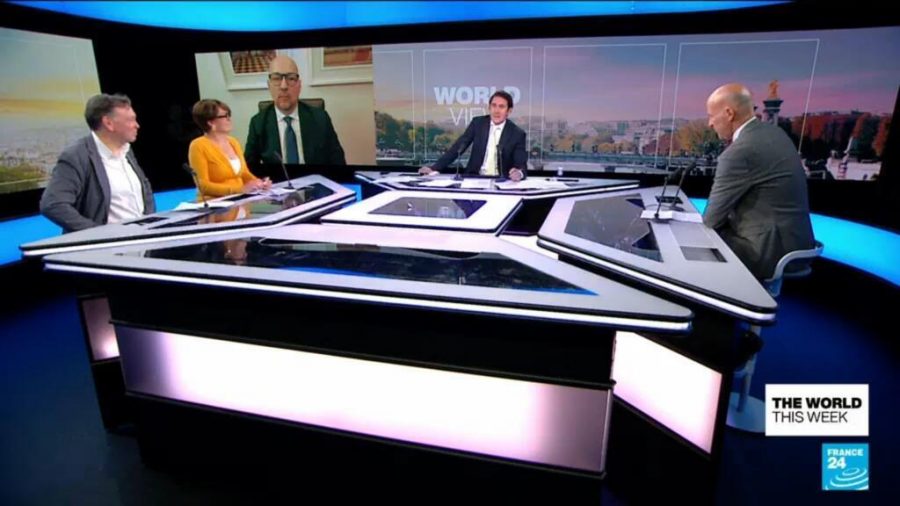
Ceasefire in Lebanon: A Fragile Peace Amid Regional Tensions
In a significant development in the Middle East, a renewed ceasefire has been proclaimed between Israel and Lebanon, a move that could reshape the regional landscape. This agreement, however, is contingent on the complete cessation of hostilities from the Iranian-backed militant group Hezbollah and their withdrawal from southern Lebanon.
The Context of the Ceasefire
For several years, tensions between Israel and Hezbollah have escalated, resulting in multiple conflicts that have left both nations on edge. As the ceasefire was announced, the international community held its breath, hoping this would mark the beginning of a prolonged period of peace in a region plagued by conflict.
Key Terms of the Agreement
The ceasefire agreement stipulates strict conditions that both parties must adhere to in order to maintain peace. Among the primary stipulations are:
- Complete cessation of attacks: Hezbollah must halt all military operations against Israeli forces.
- Withdrawal from southern Lebanon: The group is required to withdraw its troops from southern Lebanon, a move aimed at reducing military tensions in the area.
- International oversight: A coalition of international observers will monitor compliance with the ceasefire terms.
The Role of Iran
Hezbollah’s actions are heavily influenced by Iran, which provides financial and military support to the group. Analysts suggest that Iran’s role in this ceasefire is crucial, as the Iranian government must ensure that Hezbollah adheres to the terms of the agreement. The geopolitical implications of Iran’s involvement cannot be overstated, as any failure on Hezbollah’s part to comply could escalate tensions not only in Lebanon but across the entire region.
Global Reactions
The announcement of the ceasefire has garnered mixed reactions from world leaders. While many have welcomed the news, expressing hope that this could lead to a more stable region, others remain skeptical about the durability of the agreement. “We have seen ceasefires before, but they often collapse under pressure,” stated a senior analyst at a prominent think tank.
Additionally, the United Nations has emphasized the need for ongoing dialogue to ensure that both sides remain committed to peace. The UN Security Council has called for an emergency meeting to discuss the implications of the ceasefire and the necessary steps to support its longevity.
What Lies Ahead?
As the dust settles after this announcement, many questions remain. Will Hezbollah honor the terms of the ceasefire, or will this be yet another temporary pause in a long history of conflict? The coming weeks will be critical in determining whether this ceasefire will hold or if tensions will once again flare.
Furthermore, the situation in Lebanon is complicated by internal political dynamics. The Lebanese government faces significant challenges, including economic instability and public discontent. How effectively the government can manage these issues while adhering to the ceasefire conditions will be pivotal in shaping the country’s future.
Conclusion
The ceasefire between Israel and Lebanon represents a glimmer of hope in a region often characterized by turmoil. However, the delicate nature of this agreement, coupled with the involvement of external powers such as Iran, means that the path to lasting peace remains fraught with challenges. For now, the world watches closely, hoping that this fragile peace can withstand the pressures of history and politics.