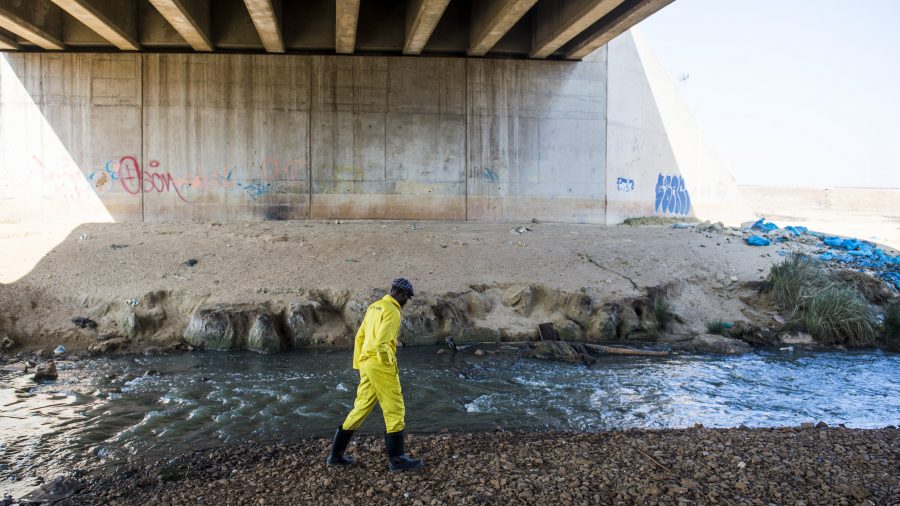
Injustices, Civil Society, and the Anti-Development Narrative
In South Africa, a persistent narrative emerges whenever communities raise their voices against pollution, challenge mining licenses, or question governmental decisions: they are labeled as “anti-development.” This accusation serves to delegitimize dissent, portraying those who express concerns about health, livelihoods, land, water, and democratic participation as obstacles to progress. However, the history of South Africa tells a different story.
The Foundation of the Constitution
The South African Constitution was never crafted to comfort those in power. Instead, it was born from the brutality and exclusion of apartheid, a regime that systematically stripped dignity, land, healthcare, freedom of movement, and political voice from the majority of the population. Hence, the democratic Constitution carries the weighty responsibility not only to establish democratic institutions but also to safeguard individuals from abuses of power, whether perpetrated by the state or private entities.
At its core, the Constitution is designed to protect the most vulnerable among us: the impoverished, workers, rural communities, and those living adjacent to mines and industrial zones. It recognizes that without dignity and material justice, the notion of freedom remains incomplete.
The Treatment Action Campaign: A Defining Example
One of the most compelling examples of civil society’s role in post-apartheid South Africa is the Treatment Action Campaign (TAC). The TAC did not create rights; rather, it invigorated rights that existed only on paper. During the height of the HIV/AIDS crisis, when denialism and political paralysis led to rampant mortality, the TAC mobilized communities, educated the public, and pursued legal avenues to ensure access to antiretroviral treatment.
At that time, activists faced accusations of embarrassing the government and undermining authority, yet history has since vindicated their actions. Had the TAC chosen silence in favor of political convenience or stability, countless South Africans would have continued to suffer and die while awaiting treatments that ultimately saved lives.
Testing the Constitution’s Effectiveness
The TAC’s efforts were instrumental in determining whether constitutional rights had any tangible impact on the lives of poor Black South Africans navigating the healthcare system. Section 27 of the Constitution guarantees the right to access healthcare services, but these rights ring hollow if governments can ignore them without facing consequences.
Through litigation, public mobilization, and relentless advocacy, the TAC illuminated a crucial truth about democracy: rights are not self-executing. They require active defense, demand, and continual reinforcement through public engagement.
Conclusion: The Importance of Civil Society
In the face of environmental degradation, social injustice, and governmental overreach, civil society organizations play an indispensable role in holding power accountable. They remind us that the fight for rights and justice is ongoing, and that dissent is not a barrier to development, but rather a fundamental component of a healthy democracy.
As South Africa navigates the complexities of development and progress, it is vital to recognize and support the voices of those who challenge the status quo, ensuring that the rights and dignity of all citizens are upheld.