Chinese Universities Make Strides in Global Higher Education Rankings
In a landscape dominated by institutions from the United States and the United Kingdom, Chinese universities are increasingly gaining ground in global rankings. This shift highlights a growing emphasis on academic excellence in China, as it positions itself as a formidable player in the international education arena.
The Rankings Landscape
The latest global university rankings continue to showcase the enduring strengths of British and American institutions. The Massachusetts Institute of Technology (MIT) has once again claimed the top position, followed closely by Imperial College London in second place. These universities have consistently demonstrated excellence in research output, teaching quality, and global reputation.
Chinese Institutions on the Rise
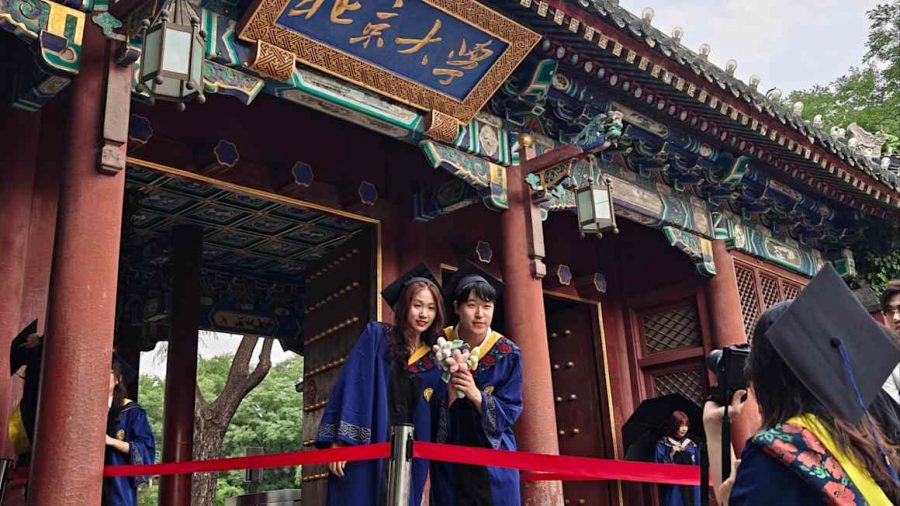
Despite the dominance of MIT and Imperial College, several Chinese universities have made significant advances, breaking into the upper echelons of global rankings. Peking University and Tsinghua University, often regarded as China’s leading educational institutions, have shown remarkable improvement, with Tsinghua climbing to the 14th position and Peking University closely following at 16th. This upward trajectory indicates a shift in how Chinese universities are perceived on the world stage.
Factors Contributing to the Rise
Several factors contribute to the rise of Chinese universities in global rankings:
- Increased Investment: The Chinese government has significantly increased funding for higher education, allowing universities to enhance their research capabilities and attract top talent.
- Global Collaborations: Chinese universities are actively forging partnerships with institutions worldwide, fostering research collaborations that enhance their academic profiles.
- Attracting International Talent: Many Chinese institutions are now actively recruiting international students and faculty, which helps diversify their academic environments and enrich their research output.
The Impact of Global Rankings
Global university rankings have substantial influence on students’ choices, faculty recruitment, and funding opportunities. As more Chinese institutions improve their standings, they are not only attracting domestic students but are also becoming increasingly appealing to international learners. This trend signifies a shift in global educational dynamics, where students are considering Chinese universities as viable alternatives to those in the UK and US.
Challenges Ahead
Despite the progress, Chinese universities face several challenges. Issues such as academic freedom, intellectual property rights, and the need for a more transparent research environment still linger. Moreover, while the investment in education is robust, the quality of teaching and research varies widely across institutions, necessitating a focused approach to improve standards universally.
Conclusion
The landscape of global higher education is evolving, with Chinese universities making significant strides against their British and American counterparts. While MIT and Imperial College London continue to lead, the increasing presence of Chinese institutions in prestigious rankings reflects a broader trend of globalization in education. As these universities continue to invest in research, attract international talent, and forge global collaborations, the academic world may witness a transformative shift in the coming decades.