International Red Cross Highlights Preventable Nature of Civilian Suffering in Sudan
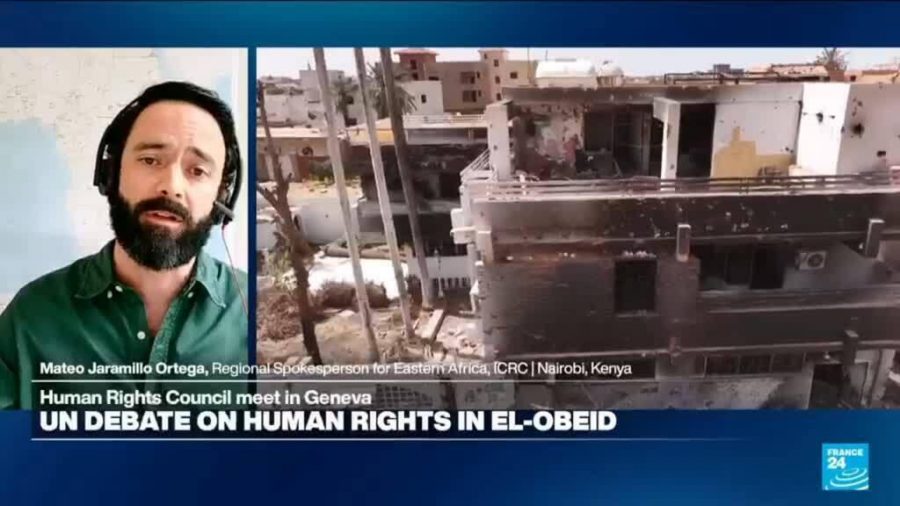
In a world where humanitarian crises seem to multiply, the International Committee of the Red Cross (ICRC) stands firm in its belief that civilian suffering in Sudan is not an unavoidable fate. Mateo Jaramillo Ortega, the ICRC Regional Spokesperson for Eastern Africa, recently spoke out about the ongoing conflicts in the region, emphasizing that much of the harm inflicted on civilians could have been prevented had international humanitarian laws been adhered to.
The Context of the Crisis
Since the onset of combat in Khartoum three years ago, the situation in Sudan has deteriorated dramatically. As fighting has spread to areas such as al-Obeid, the impact on civilians has escalated. The ICRC has been on the ground, witnessing firsthand the devastating consequences of warfare on innocent lives. Ortega’s remarks come at a critical juncture, as the struggles of the Sudanese people continue to draw the attention of the global community.
Understanding the Laws of War
The laws of war, also known as international humanitarian law, are designed to protect individuals in armed conflict, particularly those not participating in hostilities. However, Ortega argues that these laws have been frequently disregarded in Sudan. “Much of the harm over the past three years could have been avoided,” he stated, underlining the responsibility of all parties involved in the conflict to respect these crucial regulations.
Highlighting the Human Cost
The human cost of the ongoing conflict is staggering. Civilians have been subjected to violence, displacement, and a lack of access to essential services such as healthcare and food. The ICRC reports that thousands of families have been uprooted from their homes, forced to flee violence and seek refuge in overcrowded camps. These conditions have exacerbated an already dire humanitarian situation.
The Role of the International Community
Ortega called upon the international community to increase their efforts in advocating for the protection of civilians in Sudan. “It is crucial that nations and organizations work together to hold those responsible for violations of international humanitarian law accountable,” he urged. The ICRC is committed to continuing its work in Sudan, providing much-needed assistance to those affected by the violence.
Moving Forward: A Call to Action
As the conflict continues, Ortega’s message is clear: the suffering of civilians in Sudan is not an inevitability. The ICRC urges all parties involved in the conflict to adhere to the laws of war, emphasizing that respect for these laws can save lives. The humanitarian crisis in Sudan demands a collective response, and it is the responsibility of both national and international actors to ensure that the rights and dignity of civilians are upheld.
Conclusion
The situation in Sudan is a stark reminder of the impact of war on innocent lives. The ICRC’s call for respect for international humanitarian law serves not only as a plea for immediate action but as a beacon of hope for a future where civilian suffering is not the norm but an exception. It is time for the global community to respond and work towards a peaceful resolution that prioritizes the safety and well-being of all Sudanese citizens.