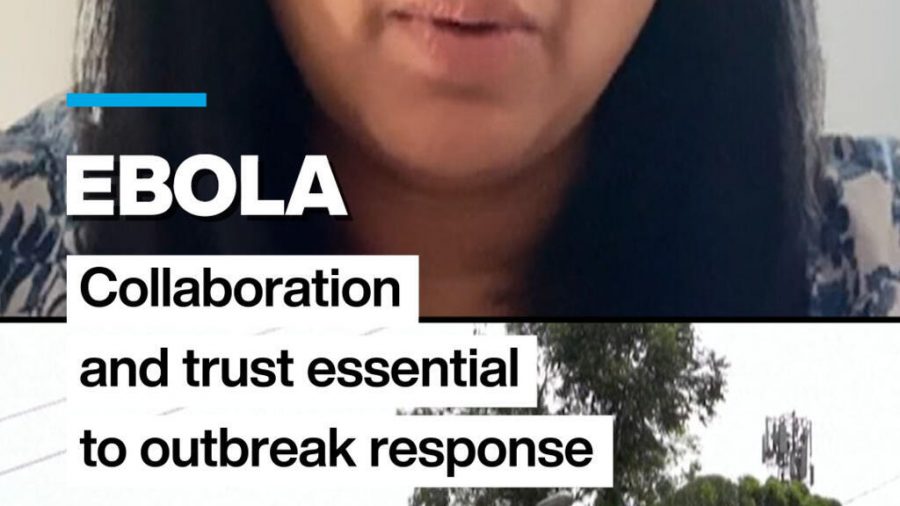
The Democratic Republic of Congo (DRC) continues to face a persistent threat from the Ebola virus, a highly contagious and often deadly disease that has devastated communities and strained healthcare systems. As the outbreak unfolds, experts emphasize that the key to an effective response lies in fostering trust and collaboration among local communities, healthcare workers, and global organizations.
Unity in Crisis: The Call for Collaboration
Dr. Krutika Kuppalli, a prominent global health expert, has underscored the critical need for a unified approach to tackle the ongoing Ebola crisis. ‘We all need to be working together,’ she stated in a recent discussion on France 24’s F24 Debate. Her comments reflect the growing consensus that no single entity can combat an outbreak of this scale without the collective effort of international agencies, local governments, and community leaders.
History has shown that fragmented responses can hinder progress in controlling infectious diseases. In contrast, coordinated strategies that incorporate the expertise of international health organizations like the World Health Organization (WHO) and the on-the-ground insights of local leaders have proven to be more effective in curbing the spread of Ebola.
Building Trust with Local Communities
One of the most significant challenges in addressing the Ebola outbreak in the DRC is building trust with local communities. In areas where misinformation and skepticism about healthcare interventions are prevalent, fostering trust becomes a critical component of any response strategy. Dr. Kuppalli highlighted that engaging local leaders and gaining their support is essential to dispel myths, encourage treatment adherence, and ensure that accurate information reaches affected populations.
Local leaders play a pivotal role in bridging the gap between healthcare providers and the community. By involving them in decision-making processes and respecting cultural norms, responders can reduce resistance and improve the effectiveness of interventions such as vaccination campaigns and treatment protocols.
Lessons from Past Outbreaks
Past Ebola outbreaks have provided valuable lessons on the importance of collaboration and trust. During the 2014–2016 West Africa Ebola epidemic, initial delays in international response and lack of local engagement exacerbated the crisis. However, once community leaders were actively involved, transmission rates began to decline, highlighting the role of grassroots support in outbreak management.
In the current DRC outbreak, efforts to replicate these strategies are underway. International health organizations are partnering with local authorities to train healthcare workers, provide resources, and address community concerns. These initiatives aim to create a more inclusive and effective response framework.
The Role of Global Support
While local efforts are crucial, the global community also has a significant role to play in combating the Ebola outbreak. Funding, technical expertise, and access to medical supplies are essential components of a comprehensive response. Organizations like the WHO, Médecins Sans Frontières (MSF), and the United Nations have been at the forefront of providing these resources, but continued international support is needed to sustain the fight against the virus.
Dr. Kuppalli’s call for unity serves as a reminder that the battle against Ebola is far from over. It is a collective responsibility that requires the active participation of all stakeholders, from global policymakers to the individuals living in affected communities. By prioritizing collaboration and trust, the world can take significant strides toward eradicating this deadly disease and preventing future outbreaks.