Introduction to Autonomous Warfare
As the landscape of modern warfare evolves, the introduction of autonomous drones has sparked a fierce debate among military experts, ethicists, and policymakers. Recent revelations regarding the use of fully autonomous drones in Ukraine have raised significant concerns about their implications for civilian safety and ethical warfare.
The Test That Changed Everything
According to a report by New Scientist, a senior figure in the Ukrainian defense industry disclosed that a test involving autonomous drones occurred two years ago. These drones were programmed to identify and eliminate targets within specified areas, leading to confirmed casualties. This marks a pivotal moment in the discussion surrounding the ethical use of technology in conflict.
Expert Opinions on the Dangers
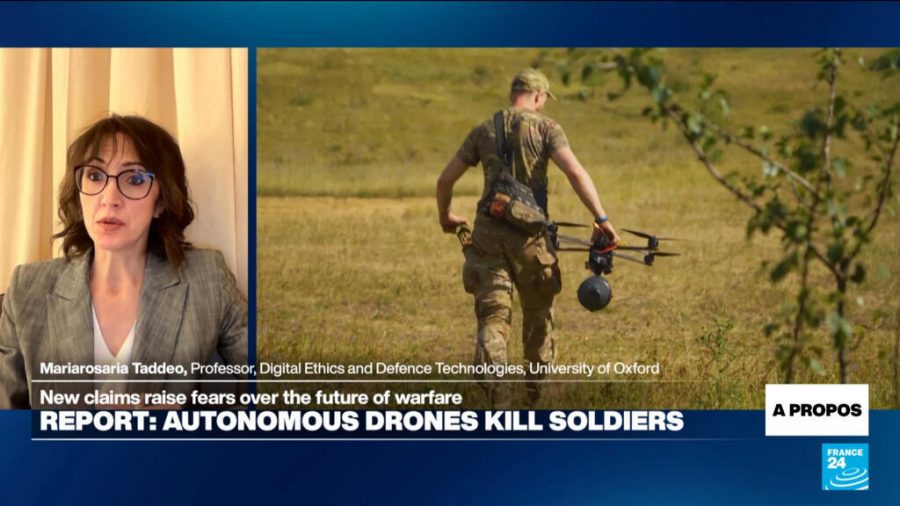
Speaking on FRANCE 24, Mariarosaria Taddeo, a Professor of Digital Ethics and Defence Technologies at the Oxford Internet Institute, shared her insights on the implications of such technology. “These systems are fully indiscriminate,” Taddeo warned. “Whether the system sees a combatant, a child, or an older person, it won’t be able or designed to discriminate. Thus, civilians are going to be put in harm’s way.”
The Ethical Quandary of Autonomous Weapons
The deployment of autonomous drones raises critical questions about accountability and ethics in warfare. As machines take on the role of decision-makers, the potential for error increases, particularly when distinguishing between combatants and non-combatants. The lack of human oversight in these systems presents a troubling dilemma for military strategists and humanitarian advocates alike.
Legal and Humanitarian Concerns
International humanitarian law requires combatants to distinguish between military targets and civilians. The use of autonomous drones complicates adherence to these legal standards. Critics argue that the indiscriminate nature of these machines could lead to war crimes, with the potential for widespread civilian casualties.
Potential for Misuse
The risk of misuse extends beyond the battlefield. Autonomous drones could be repurposed for surveillance or attacks against civilian populations, raising alarms about their proliferation in conflict zones. As nations race to develop and deploy these technologies, the lack of regulatory frameworks leaves a significant gap in accountability.
The Call for Regulation
In light of these concerns, experts and human rights advocates are calling for urgent regulations governing the use of autonomous weapons. The development of international treaties similar to those banning chemical and biological weapons may be necessary to prevent the unchecked use of these technologies. Taddeo emphasizes that the time for regulation is now, stating, “We must ensure that the deployment of such systems does not undermine our humanitarian values and international law.”
Conclusion: The Future of Warfare
The advent of autonomous drones represents a significant shift in military technology, and with it comes profound ethical and humanitarian challenges. As the first confirmed kills from these machines emerge from Ukraine, the global community must confront the implications of such warfare. Without a commitment to ethical standards and regulations, the risk of civilian harm and the erosion of human oversight in conflict could become an alarming new reality.