Cuba’s Economic Downturn: A Crisis Deeper Than the 1990s
The Caribbean island of Cuba is currently grappling with an economic collapse that many residents argue is worse than the infamous Special Period of the 1990s. As the nation faces severe shortages of essential goods and skyrocketing prices, daily life has become an arduous struggle for millions.
The Special Period: A Comparison
During the Special Period, which followed the disintegration of the Soviet Union, Cuba experienced widespread poverty, food scarcity, and energy crises. Today, many who lived through that tumultuous time are drawing parallels to the current situation, expressing that the ongoing economic hardships are even more acute.
Food Shortages: The Heart of the Crisis
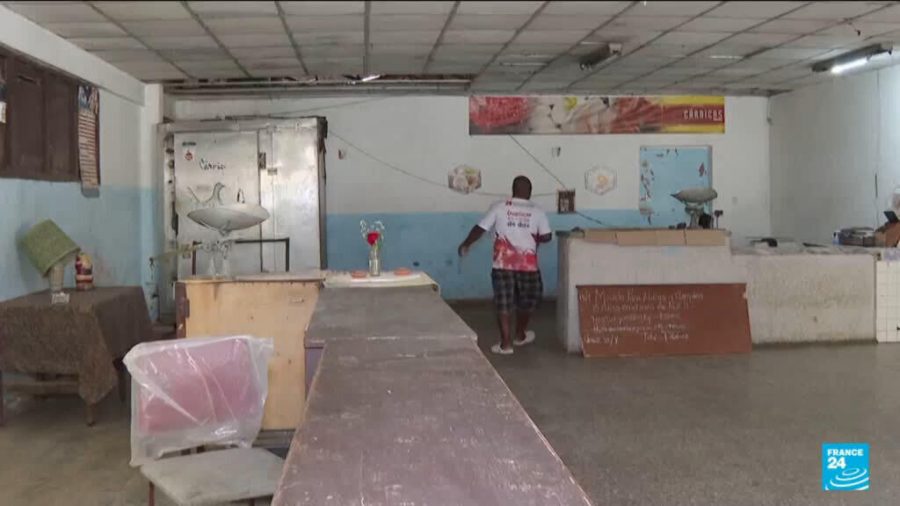
One of the most alarming aspects of the current crisis is the severe food shortages. Cuba imports approximately 80% of its food, making the island highly vulnerable to global market fluctuations and supply chain disruptions. With rising international prices and dwindling foreign reserves, finding essential items in local markets has become increasingly difficult.
- Staple Foods Scarce: Rice, beans, and cooking oil are now considered luxuries in many households.
- Inflation Spirals: Prices for basic goods have surged, straining family budgets and increasing reliance on the black market.
- Health Risks: Malnutrition rates are on the rise as families struggle to procure adequate food supplies.
The Energy Emergency
In addition to food shortages, Cuba is also facing a significant energy emergency. Frequent power outages have become a norm, disrupting daily life and hindering economic activities. The government has struggled to maintain energy supplies, leading to widespread frustration among citizens.
- Power Cuts: Daily blackouts can last for several hours, impacting everything from cooking to work.
- Rationing: The government has implemented energy rationing measures, but these have done little to alleviate the situation.
- Public Discontent: Protests have emerged in several cities as citizens demand solutions to the ongoing crisis.
Government Response and Public Sentiment
The Cuban government has attempted various measures to address the crisis, including price controls and increased subsidies. However, these efforts have often fallen short of expectations, leading to widespread disillusionment among the populace. Many Cubans feel that the government’s inability to manage the economy effectively has exacerbated their struggles.
The Way Forward?
As Cuba navigates this unprecedented economic turmoil, the future remains uncertain. Experts suggest that without significant reforms and international assistance, the situation may continue to deteriorate. For many Cubans, the hope of recovery is dwindling, as they confront a daily reality filled with scarcity and hardship.
Conclusion
The current economic crisis in Cuba is a stark reminder of the fragility of the island’s economy. As prices soar and basic necessities become increasingly hard to find, the resilience of the Cuban people is being tested once again. Only time will tell how this crisis will unfold and what it means for the future of Cuba.