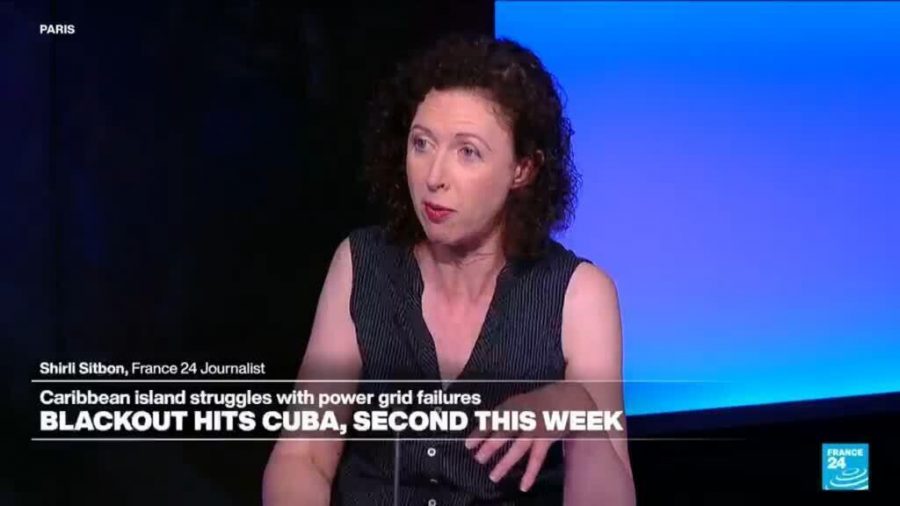
Cuba Faces Second Nationwide Blackout Amid Ongoing Energy Crisis
Cuba experienced its second nationwide blackout in just five days on Friday, a stark indication of the severe energy crisis gripping the island nation. The combination of an ongoing economic downturn and a stringent six-month U.S. fuel blockade has left Cuba’s electricity grid in a precarious state, heightening concerns among citizens and officials alike.
Understanding the Energy Crisis
The current energy situation in Cuba is the result of a convergence of multiple factors. The U.S. fuel blockade, which has been in place for six months, has severely restricted the nation’s access to essential fuel supplies. This blockade has compounded existing economic challenges, leading to increased pressure on the already struggling electricity grid.
Impact on Daily Life
The recent blackouts have taken a heavy toll on the daily lives of Cubans. Many households are left without power for extended periods, disrupting everything from basic cooking and lighting to vital medical equipment. The lack of consistent electricity has also affected businesses, making it difficult for them to operate and leading to further economic instability.
- Increased Frustration: The repeated blackouts have sparked frustration among the population, leading to protests in various cities. Citizens are demanding solutions from the government to address the ongoing energy crisis.
- Government Response: In response to the crisis, the Cuban government has promised to enhance infrastructure and improve the electricity supply. However, skepticism remains among the populace about the effectiveness of these measures.
- International Relations: The U.S. fuel blockade has not only worsened the energy situation but has also strained diplomatic relations between the two nations, complicating potential avenues for assistance.
Statements from Officials
“The pressure is increasing,” says journalist Shirli Sitbon, who has been closely monitoring the situation. Her observations highlight the growing desperation among Cubans as they grapple with the reality of living under such conditions.
Officials from the Cuban government have acknowledged the challenges posed by the blockade and the need for urgent reforms within the energy sector. Despite these admissions, many citizens feel that the government’s efforts have not yielded tangible improvements.
Looking Forward
As the situation continues to evolve, the future of Cuba’s energy grid hangs in the balance. With the pressures of both internal mismanagement and external sanctions, the island nation faces a daunting path ahead.
Experts suggest that the resolution of these issues will require not only immediate fixes to the energy crisis but also a broader reevaluation of Cuba’s economic policies and international relations.
In the meantime, Cubans are left to navigate the challenges of daily life amidst uncertainty, hoping for a more stable and prosperous future.