Cuba’s Foreign Minister Condemns New US Sanctions
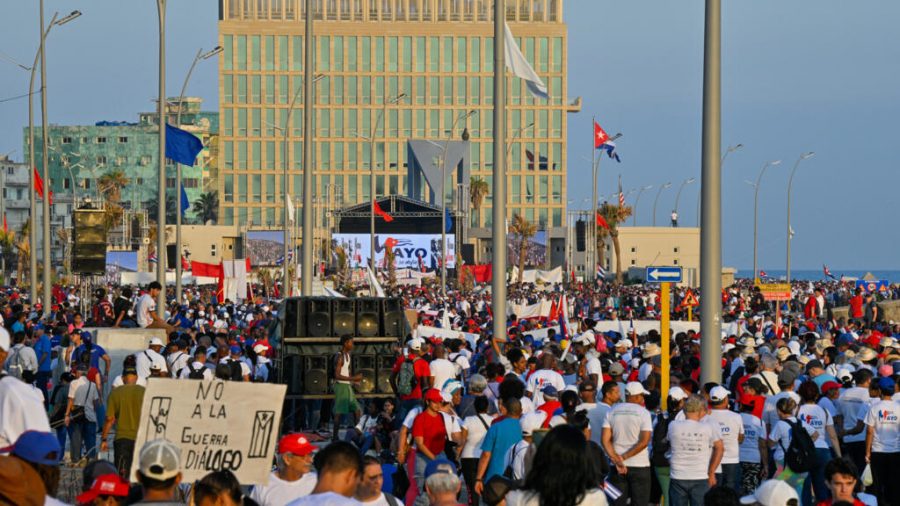
During the annual May 1 marches, which saw thousands of Cubans taking to the streets, Foreign Minister Bruno Rodriguez criticized the recent round of US sanctions against Cuba, labeling them as a form of “collective punishment.” This statement comes amidst a backdrop of escalating economic hardships faced by the island nation, exacerbated by a stringent fuel blockade imposed by former President Donald Trump earlier this year.
Cubans Unite Against Sanctions
The May Day festivities in Cuba are traditionally marked by a show of solidarity among workers and citizens. This year, the atmosphere was charged with a sense of defiance, as massive crowds gathered outside the United States embassy in Havana to express their discontent. The protests were not merely a celebration of labor rights but also a vehement opposition to the policies that many Cubans believe are suffocating their economy.
The Impact of US Sanctions
Rodriguez’s remarks highlighted the severe implications of the sanctions, which he argues disproportionately affect the Cuban population rather than targeting governmental officials or policies. He stated, “These measures are designed to harm the Cuban people, and they are a clear violation of international law. The US government must understand that these actions are not just political, but they have real consequences on the lives of everyday Cubans.”
A Struggling Economy
The economic crisis in Cuba has been deepened by a series of external pressures, including the fuel blockade initiated in January. The blockade has led to fuel shortages, which in turn have triggered widespread disruptions in transportation and essential services. The situation has left many Cubans struggling to obtain basic necessities, prompting widespread frustration and anger towards the US policies.
- Fuel Shortages: The lack of fuel has caused significant disruptions in transportation and public services.
- Basic Necessities: Many Cubans are facing difficulties in accessing food, medicine, and other essential goods.
- Economic Hardships: The sanctions have worsened the economic situation, leading to increased poverty and unemployment.
International Reactions
The international community has been closely monitoring the situation in Cuba. Many foreign governments, as well as human rights organizations, have criticized the US sanctions, arguing that they disproportionately harm civilians and hinder the country’s ability to recover economically. Calls for the lifting of these sanctions have been echoed by various leaders and organizations who argue that dialogue and cooperation would foster a more stable and prosperous future for the region.
A Call for Solidarity
As the May Day marches concluded, Rodriguez’s comments resonated with many participants who believe that solidarity among nations is crucial to overcoming the challenges posed by unilateral sanctions. The Cuban government continues to advocate for international support in resisting what they view as unjust economic warfare.
Looking Ahead
The future of US-Cuba relations remains uncertain, but the Cuban government’s resolve to resist the sanctions appears steadfast. As the country grapples with profound economic challenges, the ongoing discourse surrounding the sanctions will likely play a pivotal role in shaping its political landscape. The May Day marches not only underscored the resilience of the Cuban people but also served as a reminder of the broader implications of international policies on local populations.