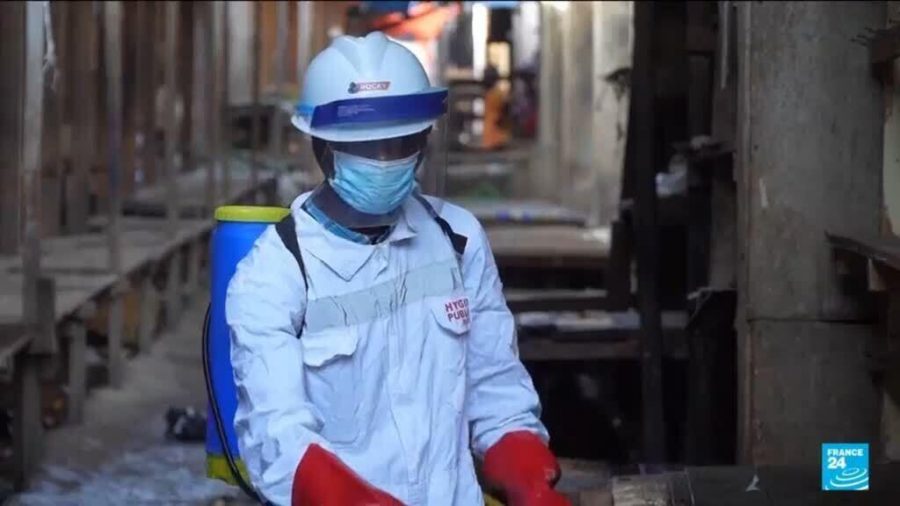
An escalating Ebola outbreak in Central Africa is sounding global alarms as health officials grapple with the spread of the deadly virus in the Democratic Republic of Congo (DRC) and Uganda. With over 900 suspected cases and a death toll exceeding 200 in the DRC alone, experts warn the actual numbers could be significantly higher due to limited testing and reporting capabilities in the region.
Health Crisis Deepens Amid Growing Challenges
In the DRC, the outbreak is being driven by a rare strain of the Ebola virus, which complicates containment efforts. Health workers on the ground have expressed concerns over a lack of effective treatments and resources tailored to combat the specific strain. Compounding the crisis are ongoing armed conflicts that make it perilous for medical teams to access some of the hardest-hit regions.
Uganda, which shares a porous border with the DRC, has also reported cases, leading to fears of cross-border transmission. The World Health Organization (WHO) has mobilized resources to assist both countries, but efforts are being hindered by logistical challenges and deep-seated mistrust among local communities. Many residents fear seeking treatment due to misconceptions about the virus and concerns about the safety of medical interventions.
Barriers to Containment Efforts
According to health officials, the current outbreak has exposed systemic vulnerabilities in the region’s healthcare infrastructure. Key challenges include:
- Limited Testing: Many cases go unreported due to insufficient diagnostic tools and personnel.
- Conflict Zones: Violence in affected areas restricts access to patients and disrupts supply chains for medical aid.
- Community Mistrust: Misinformation about Ebola fuels resistance to health measures, including vaccination campaigns.
- Lack of Treatment Options: The rarity of the strain has left healthcare providers scrambling for effective therapies.
Dr. Marie Kalembe, an infectious disease specialist working in the DRC, described the situation as “a perfect storm of challenges.” She added, “Without stronger international support, we risk seeing this outbreak spiral out of control.”
International Response and Urgent Needs
The international community is stepping up efforts to assist affected regions. Emergency funding and medical supplies have been dispatched, and the WHO is working with neighboring countries to strengthen surveillance systems. However, experts stress that more is needed to prevent the outbreak from escalating further.
“The clock is ticking,” warned Dr. Tedros Adhanom Ghebreyesus, Director-General of the WHO. “Every delay in action could mean more lives lost. This is a crisis that demands a unified global response.”
As health workers continue their fight on the frontlines, the public is urged to support awareness campaigns and advocate for increased funding to contain the outbreak. The stakes are high, and the international community faces a critical test in preventing the spread of one of the world’s most feared diseases.